
Selling a house is more than just putting it on the MLS and hoping for offers. It’s about creating an environment where potential buyers can see themselves living — and thriving. From curb appeal to paperwork, this expanded guide covers everything homeowners need to know to prepare a home for sale and make a strong impression from day one.

Step 1: Understand your buyer’s mindset
Before making any changes, try stepping into the shoes of your potential buyer. Are they first-time homebuyers looking for simplicity and affordability? A growing family in need of more space and function? Or retirees ready to downsize to something easier to maintain?
Different buyers have different priorities, but most want a home that feels clean, move-in ready, and emotionally inviting. A neutral, well-kept space allows them to project their own vision. Think of your house as a blank canvas — your goal is to help them see their life unfolding there.
If you're not sure who your likely buyer is, ask your real estate agent. They’ll understand the local market and can help you tailor your home’s presentation accordingly.

Step 2: Start with the essentials
Declutter and depersonalize
Buyers can’t see your home’s full potential if it’s buried under clutter or filled with personal items. Go room by room and remove anything non-essential — especially on countertops, shelves, and inside closets.
This is the time to pre-pack keepsakes, family photos, collectibles, bold artwork, and anything overly specific to your taste. It’s not about erasing your personality — it’s about creating space for buyers to envision theirs. Don’t forget to tidy garages, basements, and storage spaces. Storage space is a key selling point.
Decluttering also makes your home look cleaner, bigger, and easier to navigate. If you have too much stuff, consider renting a short-term storage unit or using Every Door’s Turnkey Services to help with staging support.
Deep clean every surface
Once things are cleared out, it’s time to deep clean. Buyers will notice stained carpets, dusty baseboards, or grime around the faucets. These issues can distract from your home’s best features — and even raise doubts about how well the home has been maintained.
Focus on these often-overlooked areas:
- Window sills and blinds
- Baseboards and crown molding
- Cabinet faces and hardware
- Shower doors, grout, and tile
- Light fixtures and ceiling fans
- Faucets and drains
A spotless home makes a strong first impression. It shows pride of ownership and reassures prospective buyers that the home has been cared for.
Make minor repairs
Those small fixes you’ve been putting off? Now’s the time to handle them.
Here’s a quick checklist:
- Patch holes in walls and repaint using neutral colors
- Replace burnt-out lightbulbs and clean light fixtures
- Repair leaky faucets and squeaky hinges
- Secure loose railings or floorboards
- Fix doors that stick or don’t latch properly
- Check that all light switches and outlets are working
Even minor repairs can make a big difference in how your home looks — and feels.

Step 3: Maximize your home’s appeal
Improve curb appeal
The outside of your home is the first thing buyers see — in person or online. Make sure it’s saying the right things.
To boost curb appeal:
- Mow the lawn and trim overgrown landscaping
- Weed flower beds and refresh mulch
- Power washing your siding, walkway, and driveway
- Repaint or clean the front door
- Update light fixtures, house numbers, and mailbox if needed
- Add seasonal potted plants to spruce up the porch
These small changes can make a big difference in a buyer’s first impression.
Stage each space intentionally
Staging doesn’t mean redecorating — it means using furniture and decor to show off your home’s functionality and flow.
Tips to keep in mind:
- Arrange furniture to create open walkways
- Highlight focal points like fireplaces or windows
- Set the dining room table with simple place settings
- Add throw pillows and neutral bedding for warmth
- Use fresh flowers or greenery for color and life
You don’t need to go overboard. The goal is to make each room feel spacious, clean, and purpose-driven. If your furniture is dated or mismatched, professional home staging may be worth considering.
Add lighting
Lighting plays a huge role in how a home feels. Maximize natural light by opening blinds and curtains. Clean windows inside and out. For darker rooms, use floor lamps or table lamps with LED lightbulbs in warm tones.
Ensure every light switch works and every bulb matches. A well-lit living room, kitchen, and hallway can dramatically improve the overall home look.

Step 4: Don’t forget the practical details
Organize your paperwork
Being prepared for offers also means having your documents ready to go. Collect and organize:
- Mortgage and loan payoff info
- Utility bills and HOA documents
- Property tax records
- Receipts for major repairs or upgrades
- Warranty info for appliances or systems
- Any permits for remodeling or additions
Buyers (and their agents) will often request this info as part of their due diligence.
Consider a pre-listing home inspection
Hiring a licensed inspector before you go live can help you catch any surprises early — and gives you the option to fix or disclose those issues on your terms. It also signals transparency and builds trust with potential buyers.
In competitive markets like the Seattle area, pre-inspections are becoming more common — especially with savvy homebuyers who want peace of mind.
Take high-quality listing photos
Buyers often decide whether to schedule an open house based on your home’s online photos. Once your home is clean and staged, invest in a professional photographer. Highlight your home’s strengths, from large windows to updated renovations. Clean, bright photos help your listing stand out — and get more clicks.

Step 5: Price your home strategically
Setting the right price is part science, part strategy. Work closely with your agent or Realtor to run a comparative market analysis (CMA) based on recent sales in your neighborhood.
An overpriced home may sit on the market and go stale. An underpriced one could leave money on the table. Hitting the right range from day one attracts more qualified buyers — and can even lead to multiple offers.
Want to get a ballpark estimate before you list? Try our home value estimator to see what your home could be worth based on recent local data.

Step 6: Final touches before showings
Engage all the senses
Create a showing experience that makes buyers feel at home:
- Turn on all lights and open blinds
- Set the thermostat to a comfortable temp
- Light a subtle candle or use fresh-smelling cleaning products
- Play soft background music at low volume
Avoid heavy air fresheners — a clean home with good airflow speaks for itself.
Lock away valuables and medications
While most showings are safe, it’s smart to secure anything valuable or private:
- Jewelry and watches
- Laptops and personal devices
- Medications
- Sensitive documents
Store them out of sight or take them with you during tours and open houses.
Prepare for last-minute showings
Some buyers schedule tours on short notice. Keep a checklist handy so you can:
- Do a quick declutter sweep
- Wipe down countertops and mirrors
- Take out the trash and open windows
- Hide laundry and personal items
Being ready for drop-in visits can help you capture more buyer interest during the home selling process.
Step 7: Thinking about upgrades? We can help
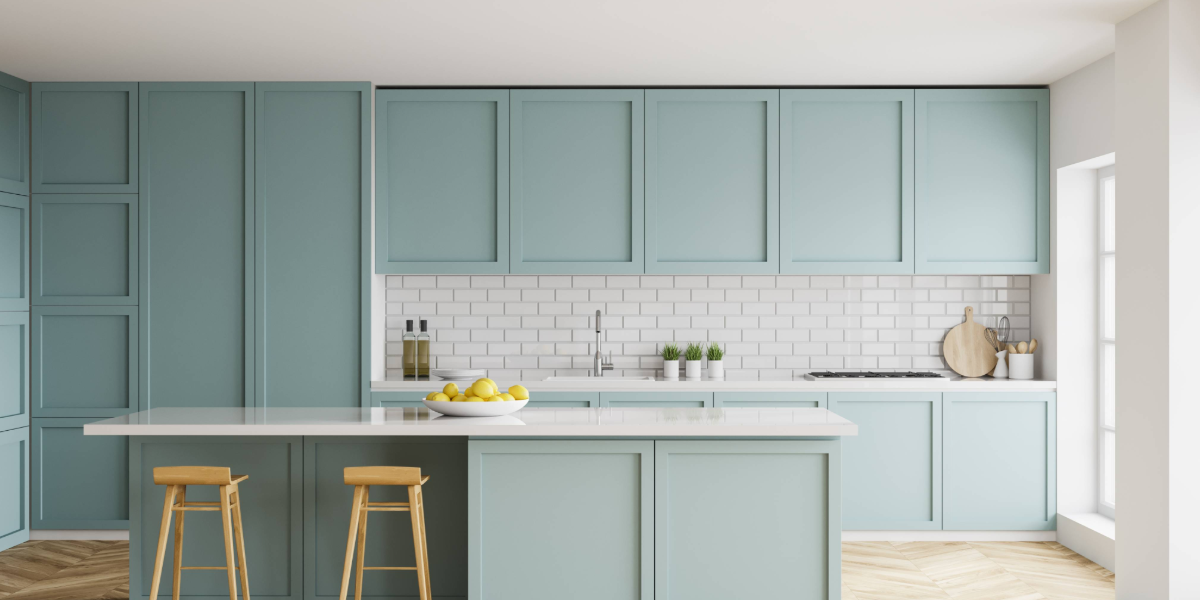
If your home needs bigger updates — like flooring, kitchen refreshes, or professional staging — Every Door’s Turnkey Services can help. We coordinate renovations, upgrades, and pre-sale prep to help your home sell faster and for more money.
You can also explore whether now is the right time to sell or if it’s smarter to rent or hold. We’re here to support every stage of your real estate journey.
Final word: A well-prepared home sells smarter
Getting your house ready to sell takes effort — but every step you take adds value. From curb appeal and staging to paperwork and pricing, the goal is to create a home that feels move-in ready, emotionally appealing, and priced to attract.
With the right prep, a smart strategy, and the support of a knowledgeable real estate agent, you’ll be in a great position to sell with confidence and move on to what’s next.
Need help getting started? Contact us today!
Check out this article next