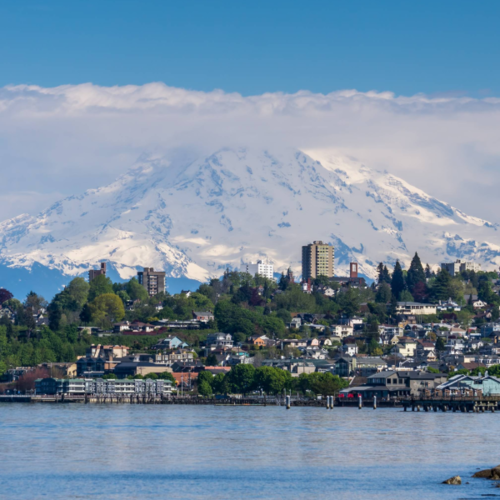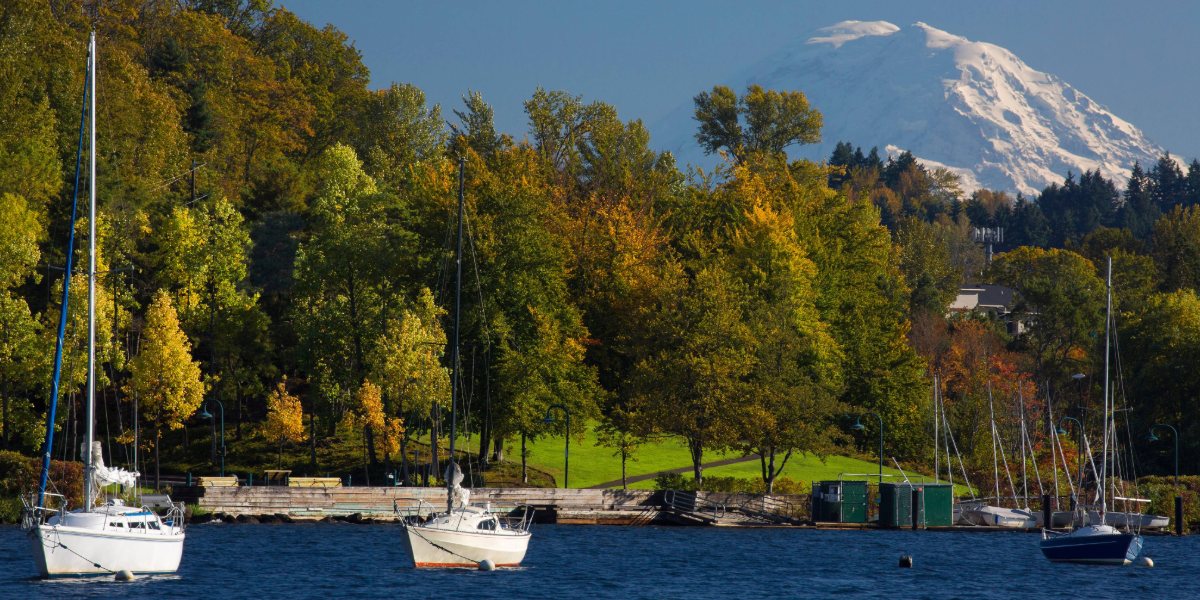
The Renton housing market has emerged as one of the most important and closely watched real estate markets in South King County. Once seen primarily as a more affordable alternative to Seattle and Bellevue, Renton now stands on its own as a market shaped by accessibility, employment diversity, and neighborhood variation.
As we move through 2026, Renton WA real estate market trends point toward a market that is stable, active, and increasingly nuanced. Buyers and sellers who succeed here tend to be those who understand not just prices, but how supply, demand, affordability, and local dynamics interact.
This article is designed as a research-grade overview for anyone considering buying or selling in Renton. It explains what is happening in the market, why it is happening, and how those trends may affect your decisions.
Why Renton’s Housing Market Behaves the Way it Does
Renton’s location plays a central role in shaping its real estate market. Positioned at the southern edge of Lake Washington, Renton connects directly to Seattle, Bellevue, and the broader Eastside via I-405, I-5, and Highway 167. This access makes Renton a practical option for commuters who want flexibility without paying Eastside or Seattle price premiums.
Unlike Seattle, Renton has not experienced the same level of dense commercial development or vertical growth. Instead, the city has grown more gradually, with a mix of established single-family neighborhoods, newer townhome developments, and pockets of light commercial use. This has created a housing market that feels more balanced and less speculative.
Renton also benefits from a diversified employment base. In addition to tech spillover from nearby cities, the area is supported by healthcare, aerospace, logistics, education, and manufacturing. That diversity tends to stabilize housing demand even during broader economic shifts.
These factors combine to create a market that moves more steadily than in Seattle or Bellevue, with fewer extremes in pricing or competition.
Renton Home Prices and Value Trends in 2026
One of the most frequently searched topics related to Renton WA real estate market trends is home prices. Heading into 2026, Renton remains one of the more affordable cities within King County, though values have increased meaningfully over the past decade.
Most current estimates place the median home value in Renton around the mid-$600,000s to low $700,000s, with typical home values near $734,563 according to Zillow and the median sale price around $671,000 based on Redfin’s most recent data. These figures reflect a significant rise from earlier years and show Renton remains more affordable than many nearby markets in King County.
Price growth in Renton has moderated compared to peak appreciation periods, which is a healthy sign for long-term stability. Rather than rapid spikes, home values have shown a pattern of steady, incremental growth supported by real demand rather than speculation.
Buyers entering the market in 2026 should expect pricing to reflect neighborhood-specific trends rather than citywide averages. Sellers should understand that pricing accuracy matters more now than during hotter market cycles.
Single-Family Homes: The Foundation of the Renton Market
Single-family homes remain the backbone of Renton’s housing market. The majority of transactions involve detached homes, often built several decades ago but situated on larger lots than what buyers might find in Seattle.
Many single-family homes list between $650,000 and $850,000, with higher prices in areas closer to Lake Washington, the Renton Highlands, and neighborhoods with newer construction or stronger school proximity. Homes that are updated and move-in ready tend to perform best, especially when priced in line with recent local sales.
Buyers drawn to Renton often prioritize space, privacy, and long-term livability. That makes condition and layout especially important. Sellers who invest in preparation and realistic pricing generally see smoother transactions and stronger buyer interest.
Townhomes and Condos as Affordability Entry Points
Townhomes and condos play a meaningful role in Renton WA real estate market trends, particularly for first-time buyers and downsizers. Over the past several years, new townhome developments have added supply in select areas, offering more attainable price points within King County.
These properties often appeal to buyers who want to enter the market without taking on the maintenance responsibilities of a detached home. Condos and townhomes can also provide a more predictable monthly cost structure, which matters when mortgage rates fluctuate.
While appreciation for these property types may differ from single-family homes, they remain an important pathway into homeownership for many Renton buyers.
Housing Supply and Inventory Dynamics in Renton, WA
Housing supply is one of the most important factors shaping Renton WA real estate market trends in 2026. Inventory remains limited, but not to the same degree as Seattle or Bellevue, where long-term housing shortages, zoning constraints, and sustained demand have created more pronounced imbalances between buyers and available homes.
In cities like Seattle, limited space for new single-family construction and continued population growth often lead to tighter inventory and sharper competition, particularly in established neighborhoods. Bellevue faces similar challenges, with strong demand driven by the Eastside tech sector and fewer opportunities for meaningful expansion. In both markets, these dynamics tend to push prices higher and create more competitive conditions for buyers.
By comparison, Renton benefits from a broader mix of housing types and more flexibility in where new development can occur. While inventory is still constrained, the presence of townhomes, newer subdivisions, and a wider range of price points helps ease pressure on supply. This places Renton closer to a balanced market, where buyers have more choice and sellers still see steady demand, but without the extreme competition found in some nearby cities.
This relative balance is one of the reasons Renton continues to attract buyers looking for opportunity and stability within King County.
Days on Market and Buyer Behavior
Homes in Renton typically spend between 15 and 30 days on market when priced appropriately. Properties that are well maintained and competitively priced often sell faster, while homes that need updates or are priced above recent neighborhood comps may take longer to attract interest.
Buyer behavior in Renton tends to be measured rather than frantic. Many buyers are comparing multiple homes, paying close attention to monthly payment affordability, and considering lifestyle factors. Negotiation is more common than in higher-priced markets, and buyers are less likely to waive contingencies without careful consideration.
This thoughtful buyer behavior underscores the importance of pricing, presentation, and professional guidance when selling.
Interest Rates and Affordability Sensitivity
Interest rates continue to influence Renton WA real estate market trends more directly than in higher-priced markets. Many buyers in Renton finance a larger portion of their purchase, which makes monthly payments more sensitive to changes in mortgage rates.
When mortgage rates rise, buyer activity tends to slow, but it rarely disappears. Buyers often recalibrate and continue to look for opportunities that fit their budgets. When rates stabilize or decline, demand tends to rebound more quickly.
Affordability remains one of Renton’s core advantages. Many buyers find that owning in Renton offers a more sustainable long-term alternative compared to renting or buying in higher-cost markets.
What Renton WA Real Estate Market Trends Mean for Buyers
For buyers, Renton offers flexibility and opportunity. The city provides a wider range of price points and housing types than many nearby markets, which allows buyers to prioritize what matters most to them.
Success for buyers often comes down to preparation. This includes understanding neighborhood pricing differences, being pre-approved, and acting decisively on well-priced homes.
Some buyers also compare Renton to nearby communities like Covington, Maple Valley, Newcastle, and Auburn to evaluate price, commute, and lifestyle trade-offs before deciding where their budget aligns best.
Understanding broader regional housing patterns, such as those outlined in current Seattle real estate market trends, can help buyers frame their expectations and long-term plans.
What Renton WA Real Estate Market Trends Mean for Sellers
For sellers, Renton is an active but pricing-sensitive market. Buyers are present and informed, ready to act when a home is priced in alignment with recent neighborhood sales. Homes that are priced above market expectations tend to stay on market longer, which can lead to necessary price adjustments.
Presentation matters. Clean, well-maintained homes with clear pricing strategies perform best. Sellers who understand local comparables and work with experienced professionals typically see smoother transactions.
For homeowners seeking a faster or more predictable path, there are alternative selling options available, such as a cash offer for a Renton home, which can eliminate traditional listing challenges like showings, repairs, and extended timelines.
Renton Housing Market Outlook Beyond 2026
Looking ahead, Renton’s long-term outlook remains positive. Continued population growth, infrastructure investment, and proximity to major employment centers like Bellevue and Seattle support steady demand. While Renton is unlikely to see dramatic price spikes, it is well positioned for consistent, sustainable growth as more buyers seek value within King County.
This trajectory helps explain why Renton continues to attract a broad range of buyers, from first-timers to move-up purchasers, each seeking stability and opportunity.
Final Thoughts on Renton WA Real Estate Market Trends
The Renton housing market in 2026 continues to stand out for its balance and long-term resilience. While nearby cities often experience sharper swings in pricing and competition, Renton offers a steadier pace that appeals to a wide range of buyers and sellers. Relative affordability compared to Seattle and the Eastside, combined with consistent demand, helps create a market that feels more predictable and easier to navigate.
One of Renton’s greatest strengths is its diversity of neighborhoods. Each area brings its own price points, housing styles, and buyer demand, which means there is no one-size-fits-all strategy. Buyers who understand these differences are better positioned to find the right fit for their lifestyle and budget, while sellers who price and position their homes based on local conditions tend to see stronger outcomes.
This is where working with a locally experienced brokerage makes a meaningful difference. Every Door Real Estate brings deep market knowledge across Renton’s neighborhoods and a clear understanding of how pricing, timing, and preparation affect results. Whether you are buying your first home, selling a long-held property, or exploring alternatives like a cash offer, having the right guidance helps remove uncertainty and align expectations.
If you are considering a move or want a clearer picture of your options, you can contact Every Door Real Estate to speak with a local expert and get personalized insight based on your goals. With the right perspective and support, Renton remains one of the most approachable and stable housing markets in the region heading into 2026.
Frequently Asked Questions About Renton, WA
Is Renton a good place to buy a home right now?
Yes. Renton offers a wide range of home styles and price points, strong job access to Seattle, Bellevue, and the Eastside, and steady long-term demand. Neighborhoods vary significantly, so working with a local expert like Every Door matters.
How does Renton compare to Seattle or Bellevue in price?
Renton is generally more affordable than Seattle and Bellevue while still offering convenient freeway access, light rail plans, and proximity to major employers.
What are the most popular neighborhoods in Renton?
Popular areas include The Highlands, Kennydale, Talbot Hill, Renton Highlands, and Downtown Renton, each offering different home styles, price ranges, and commute options.
How competitive is the Renton housing market?
Competition varies by neighborhood and price range. Well-priced homes in desirable areas can still receive multiple offers, while others may offer room for negotiation—especially in fall and winter months.
What should sellers know before listing a home in Renton?
Pricing correctly and understanding neighborhood-specific demand is key. Pre-sale prep, strategic repairs, and strong marketing can significantly impact final sale price and days on market. Prep in fall and winter to list in spring or summer—right in peak season
Are there new construction or development opportunities in Renton?
Yes. Certain areas of Renton see ongoing infill development and redevelopment, especially near major corridors. Zoning, lot size, and utilities play a big role in determining value.
What are typical closing costs for buyers in Renton?
Buyer closing costs generally include lender fees, escrow, title insurance, and prepaid items. These typically range from 2–3% of the purchase price, depending on loan type.
What costs should sellers expect when selling in Renton?
Sellers should plan for agent commissions, real estate excise tax (REET), escrow and title fees, and any agreed-upon repairs or credits. Total costs often fall between 8–10% of the sale price.
Is Renton a good area for long-term investment?
Renton has strong fundamentals: proximity to major employment hubs, ongoing infrastructure improvements, and consistent buyer demand—making it attractive for both homeowners and investors.
Do I need a local agent to buy or sell in Renton?
Because pricing, demand, and buyer behavior can change block-by-block, a Renton-savvy agent can help you avoid overpricing, identify hidden value, and negotiate more effectively.
Check out this article next