The West Seattle housing market heading through 2026 is best described as competitive but calmer than it was two years ago. The median sale price sits in the low-to-mid $800,000s, up modestly year over year, and well-prepared homes still sell in a matter of weeks. What has changed is the pace. Inventory has been rising across King County, buyers are more deliberate, and pricing correctly from day one now matters far more than it did during the pandemic-era rush.
For buyers, that shift means a little more room to think and negotiate than in recent years. For sellers, it means presentation and pricing carry the outcome, since a home priced to last year's peak tends to sit rather than sell.
Whether you are planning to buy, preparing to list, or just tracking the market, here is a grounded look at West Seattle home prices, inventory, and the trends shaping the year.
The West Seattle housing market at a glance
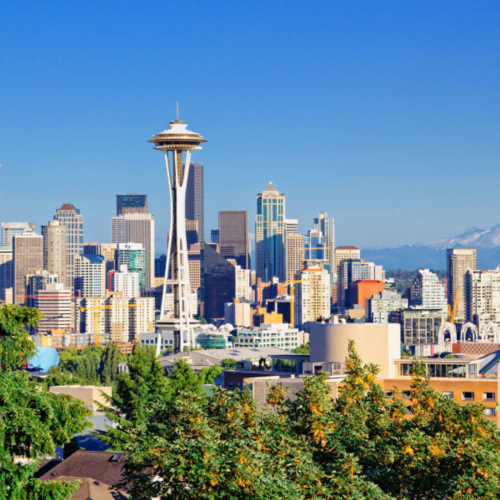
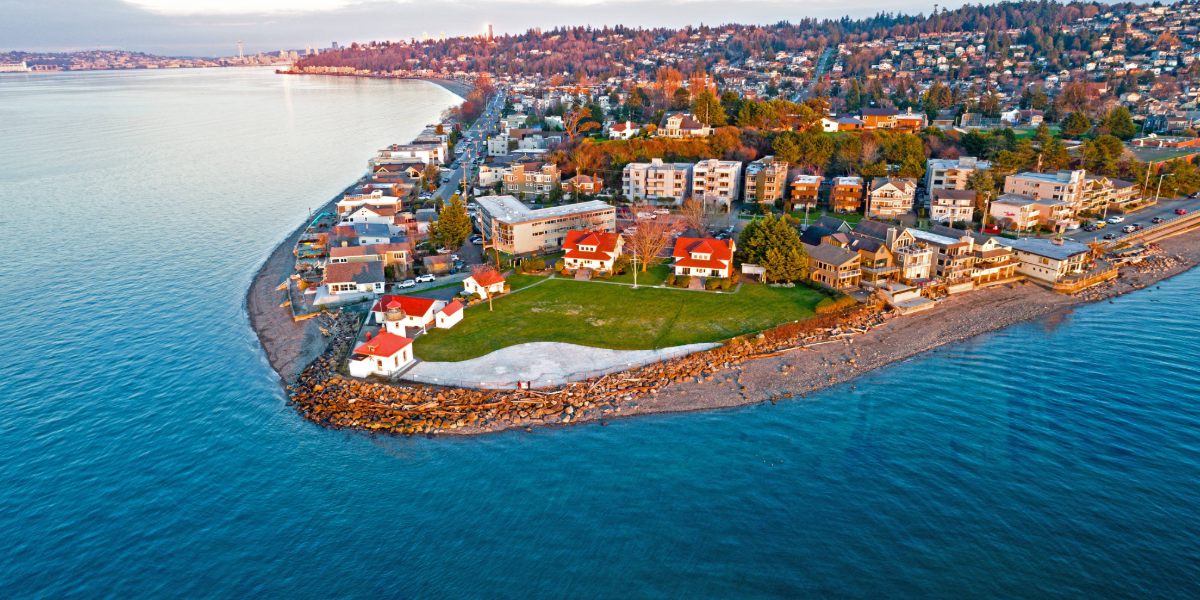
West Seattle sits inside the broader Seattle real estate market but behaves a little differently, and geography is the reason. The peninsula is bordered by water on three sides, which sharply limits room for large-scale new development and keeps housing supply structurally tight over the long run.
Neighborhoods each carry their own identity. Alki draws buyers who want the beach and the view. The Alaska Junction and Admiral offer walkable village cores with shops and transit. Areas farther south and east, like Highland Park and Delridge, tend to offer more space for the money. The housing stock is a genuine mix of Craftsman homes, mid-century properties, newer townhomes, and condos, which is part of why the area attracts such a range of buyers.
That combination of neighborhood character, water access, and limited buildable land is what has historically supported steady demand, even when affordability tightens across the region.
West Seattle home prices in 2026
Recent data puts the West Seattle median sale price somewhere in the low-to-mid $800,000s, with different sources landing between roughly $780,000 and $845,000 depending on the month and the property mix. Prices have generally ticked up year over year rather than down, though the gains are modest compared with the pandemic-era surge.
A few points worth understanding about that range:
- It moves month to month. Real estate data lags and swings with the seasonal mix of what sold, so a single headline number is less useful than the trend, which points to slow, steady appreciation.
- Neighborhood matters enormously. A waterfront home near Alki and a townhome in Delridge can both be "West Seattle" and sit hundreds of thousands of dollars apart.
- Condition matters more than it used to. Turnkey homes command attention. Dated or deferred-maintenance properties now sit longer and draw price negotiation.
Single family homes
Detached single family homes remain the core of the West Seattle market. Move-in-ready houses in walkable areas or near transit continue to draw the strongest interest, and many list in the range of roughly $900,000 to $1.3 million, with renovated and waterfront properties reaching higher. The wider Seattle single family median has been running near or above the $1 million mark for move-in-ready homes, so West Seattle still reads as relative value inside the city.
Condos and townhomes
Condos and townhomes are the more accessible entry point, generally landing in the $450,000 to $700,000 range depending on size, age, and location. As affordability pushes more buyers toward attached homes, this segment tends to see steady interest from first-time buyers and downsizers. If you are weighing this route, our guide on renting versus buying in Seattle walks through when purchasing starts to make sense.
You can browse current listings and neighborhood detail on Every Door Real Estate's page for West Seattle homes for sale.
Rental prices and affordability
Rental demand in West Seattle stays consistent, helped by renters who want walkability near the Junction, Alki, and the parks without paying central-Seattle rents. One-bedroom units generally run in the $1,700 to $2,200 range, with two-bedrooms often between $2,300 and $3,200, in line with a metro-wide average rent that has been climbing modestly.
Affordability remains a real challenge across the city, but West Seattle continues to offer better relative value than many neighborhoods closer to downtown. That gap is a meaningful part of why renters here often become buyers here.
Market trends shaping West Seattle in 2026
Inventory is rising, but supply is still tight
This is the most important shift, and the one the older market narrative missed. King County inventory has been climbing through 2025 and into 2026, giving buyers more choices than they had during the scarcest stretch. At the same time, months of supply generally remains below the four-to-six-month band that signals a balanced market, so conditions still lean toward sellers.
The practical read is a market that is normalizing rather than crashing. Buyers have regained some leverage. Sellers still hold the advantage, but a narrower one than in 2021 or 2022.
Days on market
How fast homes sell depends heavily on price and condition, and the sources genuinely disagree on the average, which itself tells the story. Well-priced, turnkey homes can go pending in under two weeks and occasionally draw multiple offers. Homes that need work or start above the comps can sit for a month or longer. The old assumption that nearly everything moves in ten days no longer holds evenly across the market.
Interest rates and mortgage rates
Mortgage rates continue to shape affordability and buyer activity. If rates ease during 2026, pent-up demand from renters and first-time buyers could accelerate quickly, since West Seattle's relative value makes it a common landing spot for that group. If rates stay elevated, the area's constrained long-run supply still tends to hold prices steady rather than let them fall sharply. This is directional, not a prediction, and rates can move either way.
Price per square foot
Price per square foot varies widely across the peninsula. Waterfront and view properties near Alki and Harbor Avenue command the highest premiums, while neighborhoods farther south and east offer better value per foot. Overall, price per square foot has held roughly stable year over year, consistent with the slow-appreciation pattern in the wider city.
Is West Seattle a good place to buy or sell in 2026?
For buyers
West Seattle suits buyers who want more space and a stronger neighborhood feel than central Seattle typically offers, at a somewhat lower price per square foot. With inventory improving, buyers have more room to tour, compare, and negotiate than they did a couple of years ago. Those planning to stay several years are the most likely to benefit, since modest steady appreciation rewards time in the home rather than quick flips.
For sellers
Conditions still favor sellers, but the margin is thinner and the requirements are higher. Move-in-ready homes that are priced to current comparable sales, not last year's peak, are the ones drawing strong, fast offers. Homes that are overpriced or need obvious work increasingly sit and then sell for less than a well-prepared listing would have from the start.
That makes pre-sale preparation more valuable than it was when buyers would overlook almost anything. If you would rather not front the cost of repairs and updates before listing, Every Door Real Estate's Turnkey Services covers renovations and staging with costs settled at closing. And sellers who want a simpler path than a traditional listing can request a Seattle cash offer to compare against what the open market might bring.
For investors
Investors benefit from steady rental demand and the area's long-run supply constraints. Condos, townhomes, and smaller single family homes support hold strategies more than short-term plays, given that appreciation here is gradual rather than explosive. As always, the numbers have to pencil at today's rates and prices, not yesterday's.
Common misconceptions about the West Seattle market
"It's still 2021 out there." It is not. The market has cooled to a more deliberate pace, inventory has risen, and buyers do their homework before writing offers. Competitive is not the same as frenzied.
"Anything will sell fast." Well-prepared, well-priced homes sell fast. Overpriced or dated homes sit. The spread between those two outcomes has widened.
"Prices are about to drop sharply." Most indicators point to stability with modest appreciation, supported by tight long-run supply. A sharp decline would run against the structural fundamentals, though no one can guarantee where prices go.
"West Seattle is one market." It is many. Alki, the Junction, Admiral, Delridge, and Highland Park can behave quite differently in the same month.
How a local real estate agent helps here
West Seattle rewards local knowledge more than a citywide average ever captures. An experienced local real estate agent can price a home to the specific block and property type rather than the neighborhood at large, which is the single biggest factor in whether a listing draws offers or stalls. On the buyer side, that same neighborhood-level read helps you recognize genuine value and avoid overpaying in a market where the comps have gotten choosier.
If you want to understand where your home stands today, a free home valuation is a reasonable starting point, and you can contact Every Door Real Estate to talk through a buying or selling plan for your specific situation.
Key takeaways
- The West Seattle median sits in the low-to-mid $800,000s, up modestly year over year, with single family homes often ranging roughly $900,000 to $1.3 million.
- The market has normalized. Inventory is rising and buyers are more deliberate, but months of supply still generally favors sellers.
- Pricing and condition now decide outcomes. Turnkey homes priced to current comps sell quickly, while overpriced or dated homes sit.
- West Seattle still offers relative value versus central Seattle, which sustains demand from renters and first-time buyers.
- Data varies by source and month, so treat any single figure as directional and lean on local, block-level analysis.

Frequently asked questions
What is the median home price in West Seattle in 2026? Recent estimates place it in the low-to-mid $800,000s, with sources ranging from roughly $780,000 to $845,000 depending on the month and property mix. Waterfront and larger single family homes push well above that range.
Is West Seattle still a seller's market? Generally yes, though a more balanced one than in recent years. Inventory has risen and buyers have more leverage, but months of supply still tends to sit below balanced territory, which keeps a modest advantage with sellers.
Are West Seattle home prices expected to fall in 2026? Most indicators point to stability with modest appreciation rather than a decline, supported by structurally limited supply. Mortgage rates influence affordability, but no forecast is guaranteed.
How quickly do homes sell in West Seattle? It depends heavily on price and condition. Well-priced, move-in-ready homes can go pending in under two weeks, while homes that need work or start too high can take a month or more.
What styles of homes are common in West Seattle? A mix of Craftsman homes, mid-century properties, newer townhomes, and condos. Neighborhoods like Admiral, Alki, the Alaska Junction, Fairmount Park, and Highland Park each carry their own character.
Can I get a cash offer for my West Seattle home? Yes. If you prefer a simpler alternative to listing, you can request a Seattle cash offer through Every Door Real Estate and compare it against a traditional sale.
Check out this article next