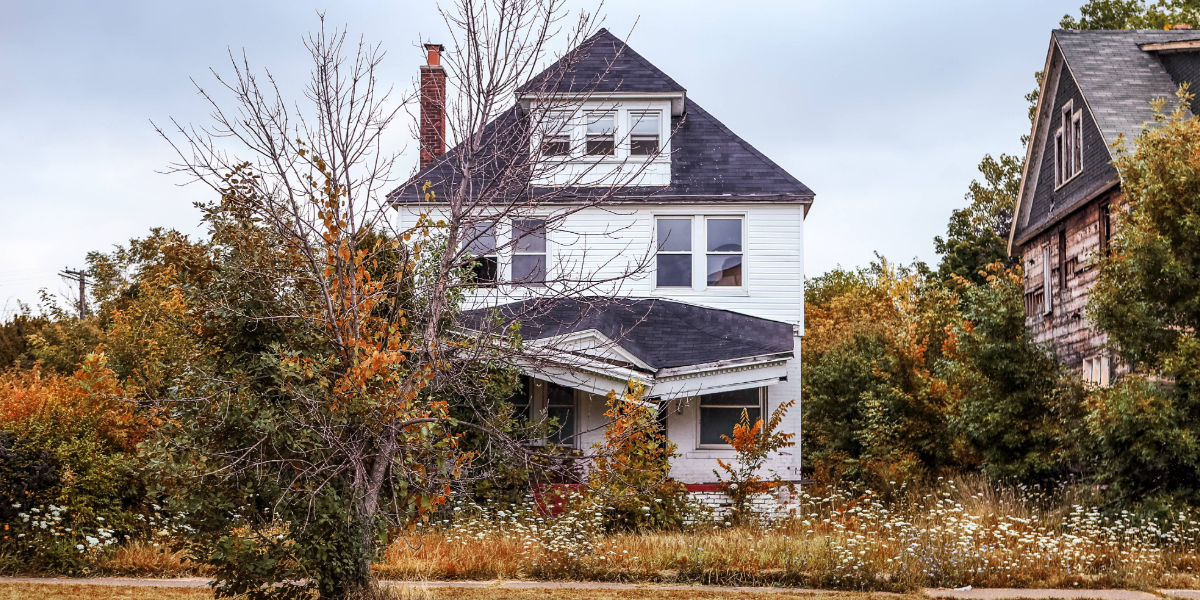
Buying a home in Washington State often means navigating limited inventory, competitive offers, and a wide range of housing conditions. While many homebuyers focus on finding a move-in ready home, others consider a fixer-upper as a way to enter the market at a lower purchase price while building long-term value through thoughtful improvements.
A fixer-upper home is a property that requires repairs, upgrades, or remodeling to meet modern living standards. In Washington, that can range from cosmetic home improvement work like flooring and paint to more complex renovation projects involving plumbing, HVAC systems, new windows, or repairs related to water damage. Because of their condition, fixer-uppers are typically priced below comparable homes, which can make them attractive to first-time homebuyers and experienced homeowners alike.
For some buyers, this path supports homeownership goals. For others, it can quickly become a money pit without the right planning. Understanding how fixer-upper houses function in Washington State is essential before moving forward.
Understanding the Fixer-Upper Spectrum in Washington
Not all fixer-uppers require the same level of investment or effort. In Washington, homes generally fall into three broad categories based on renovation scope.
Some properties need only a cosmetic refresh. These fixer-upper houses are structurally sound but dated. Buyers may replace flooring, repaint, update lighting, or refresh kitchens and bathrooms without changing layouts. These lighter renovation projects often allow for some DIY work, though a professional home inspection is still important to confirm there are no hidden issues behind walls or under floors.
Other homes require a moderate renovation. This can include kitchen or bathroom remodeling, electrical panel upgrades, replacing aging HVAC systems, or installing energy-efficient new windows. In Washington, these renovation projects often require permits and licensed contractors, especially when improvements affect energy performance or safety standards.
At the far end of the spectrum are major renovations. These fixer-upper homes may need foundation repairs, roof replacement, full plumbing or electrical replacement, or remediation related to long-term water damage. These projects involve higher renovation costs, larger loan amounts, and careful coordination with local building departments.
Why Fixer-Uppers Appeal to Washington Buyers
One of the biggest reasons fixer-uppers appeal to Washington homebuyers is the lower upfront price tag. A reduced purchase price can make homeownership possible in areas where move-in ready homes exceed budget limits or require a much larger down payment.
Fixer-uppers also offer flexibility. Buyers can spread renovation costs over time, prioritize essential upgrades first, and gradually improve the home as finances allow. This approach is common among first-time homebuyers who want control over improvements while managing monthly mortgage payments.
There is also the potential to increase market value through smart upgrades. Renovation projects that improve functionality, energy efficiency, or layout can help homeowners build home equity faster than appreciation alone, especially when improvements align with neighborhood expectations.
Where Fixer-Uppers are Most Common in Washington
In Washington State, fixer-upper homes are especially common in cities with older housing stock and established neighborhoods. Buyers often look to areas like Tacoma real estate, where historic homes and early post-war construction offer strong renovation potential, or Puyallup homes for sale, where many properties benefit from layout updates and system upgrades rather than full rebuilds.
Further north, communities such as Snohomish real estate and Everett homes for sale also attract buyers interested in fixer-upper houses. Older craftsman and mid-century homes in these markets often respond well to remodeling that improves livability while preserving character.
Risks That Matter More in Washington State
Fixer-uppers carry risk anywhere, but some challenges are especially common in Washington.
One of the most frequent issues is underestimating renovation costs. Older homes may reveal outdated wiring, aging sewer lines, or prior unpermitted work. Buyers should plan for additional upfront expenses and include a contingency of at least 15 to 20 percent to avoid turning a project into a financial strain.
Permitting timelines also vary by city, which can affect renovation schedules and financing options. Delays may increase carrying costs, including mortgage payments, utilities, and insurance.
There is also the risk of over-improving. Renovating beyond what local buyers expect can limit resale value. A fixer-upper house should be improved in a way that supports long-term market value rather than exceeding it.
Due Diligence Before Buying a Fixer-Upper in Washington
A thorough home inspection is essential. In Washington, buyers should also consider sewer scopes, roof inspections, and evaluations by a licensed home inspector familiar with older housing stock.
Understanding local inspection norms is particularly important in competitive areas. Some buyers choose pre-offer inspections to strengthen offers. Reviewing Seattle pre-inspection trends can help clarify when this strategy makes sense.
In Washington, having experienced guidance early in the process can make a meaningful difference. A brokerage like Every Door Real Estate brings local insight into fixer-upper homes, renovation risk, and neighborhood pricing, helping buyers distinguish between manageable renovation projects and properties that may require costly structural repairs.
Financing Options for Fixer-Uppers in Washington State
Most traditional mortgage options cover only the purchase price of a home. Buyers planning renovations often need alternative mortgage options.
FHA 203(k) loans, backed by the Federal Housing Administration, allow buyers to combine the purchase and renovation into a single renovation mortgage. These loans are often used by first-time homebuyers and buyers with moderate credit scores.
Conventional renovation loans such as Fannie Mae HomeStyle and Freddie Mac CHOICERenovation also allow buyers to finance renovation projects through one loan amount. VA loans with renovation features may be available for eligible buyers through select lenders.
Other financing options include home improvement loans, personal loans for smaller projects, or tapping home equity through a HELOC or cash-out refinance once renovations are complete. Interest rates, credit score requirements, and lender guidelines vary widely, so comparing options carefully is important.
Making an Offer on a Fixer-Upper
Offers on fixer-uppers should balance competitiveness with protection. Inspection contingencies, contractor access, and realistic financing timelines are especially important.
Working with a knowledgeable real estate agent can help buyers structure offers that reflect true renovation costs, avoid overpaying, and protect long-term value.
Managing the Renovation Process
Successful renovations begin with planning. Permits should be secured before work starts, and renovation projects should follow a logical sequence, addressing structure and systems before cosmetic upgrades.
Homeowners should expect to stay involved, even when hiring a general contractor. Tracking costs, monitoring progress, and documenting work helps protect future resale and refinancing opportunities.
Is a Fixer-Upper Right for You?
A fixer-upper can be a strong option for buyers who value location, customization, and long-term equity growth. It works best for buyers with financial flexibility, realistic expectations, and comfort managing renovation decisions.
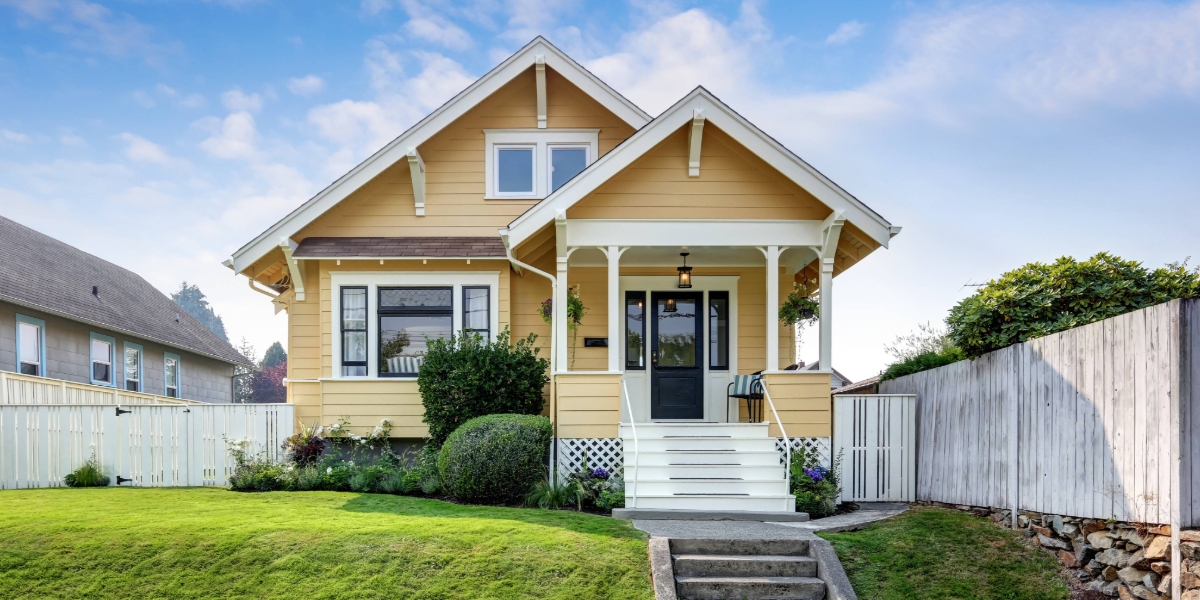
Buyers who need a new home that is move-in ready, prefer minimal disruption, or have limited cash reserves may be better served by finished homes instead.
Watch Liz Hake’s quick breakdown on fixer-uppers to learn how to spot the difference between opportunity and risk.
Bottom Line
In Washington State, buying a fixer-upper home is not just about finding a lower price tag. It requires understanding renovation costs, financing options, lender requirements, and local market value. When approached thoughtfully, fixer-uppers can support long-term homeownership goals and build meaningful equity.
If you are considering a fixer-upper anywhere in Washington, having experienced guidance can help you navigate inspections, renovation loans, and resale considerations with confidence. Every Door Real Estate works with buyers to evaluate opportunities, understand risk, and move forward with clarity. You can contact Every Door Real Estate to discuss your goals and next steps.
Check out this article next