If you own a single-family home in Seattle and have a usable backyard, unfinished basement, or detached garage, you likely have more building options than you realize. Accessory dwelling units, better known as ADUs, have become one of the most practical tools available to Seattle homeowners who want to generate rental income, house family members, or increase property value without leaving the neighborhood they love.
This guide walks through what Seattle ADU and DADU rules actually allow, how the permitting process works, what things cost, and what to watch out for before you start.
What is an ADU, and what is a DADU?
An ADU is a secondary living space on the same lot as a primary residence. Seattle allows two main types, and understanding the difference matters before you start planning.
An attached ADU (AADU) is a secondary unit within or physically connected to the main house. This could be a finished basement apartment, a garage conversion attached to the home, or a new addition. Because you are often working within an existing structure, attached ADUs tend to cost less than building from scratch.
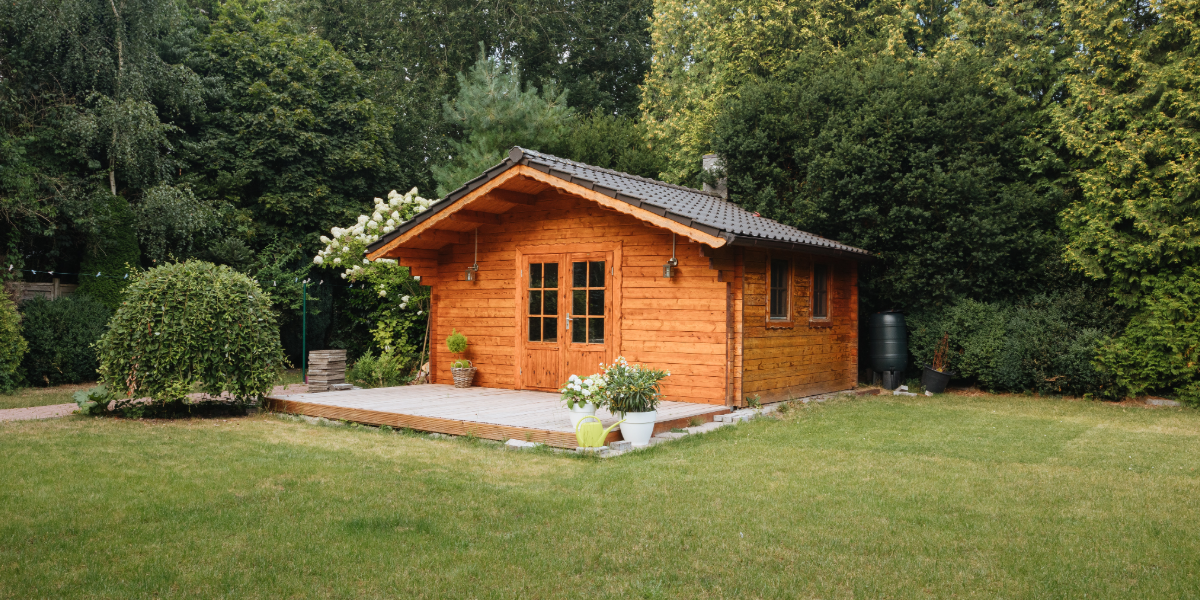
A detached accessory dwelling unit (DADU) is a freestanding structure separate from the main house. This is the backyard cottage model: a standalone building on its own foundation with its own roof, utilities, and entrance. Detached ADUs offer more privacy and often command stronger rental income, but they are more involved to build and typically more expensive.
Both are legal in most Seattle residential zones, and both count toward the city's broader affordable housing strategy.
What Seattle ADU rules allow today
In 2019, Seattle passed some of the most permissive ADU legislation in Washington state. Several rules that previously made building impractical were changed or eliminated entirely.
Key things to know under current land use rules:
- Most single-family lots in Seattle can have both an AADU and a DADU, effectively allowing up to three units on a single property
- The owner-occupancy requirement was removed. Property owners no longer need to live on-site to rent out an ADU
- Parking requirements were relaxed significantly. In most cases, you do not need to add an off-street parking space for an ADU or DADU
- Lot size minimums for DADUs have been largely eliminated in residential zones
There are still real constraints. Lot coverage limits apply in most neighborhood residential zones, typically capping total structure coverage at 35% of the lot. Setback rules require the DADU to sit at least 5 feet from rear and side property lines. Height limits for a detached ADU generally fall between 18 and 24 feet depending on lot width and roof design. And Washington state energy code requirements apply to all new construction, including DADUs.
House bill changes at the state level have continued to expand housing options across Washington state, with Seattle generally tracking alongside or ahead of state minimums.
Feasibility: what to check before you commit
Feasibility is where many Seattle ADU projects succeed or stall. Before contacting contractors or browsing DADU designs, take stock of your specific site conditions.
Start with these questions:
- What is the lot size, and how much of it is already covered by structures?
- Are there critical areas on the property, such as steep slopes, wetlands, or protected tree canopy?
- Where do your existing sewer, water, and electrical lines run?
- Is there adequate access to the backyard for construction equipment?
Seattle has strict tree protection rules. If your backyard has an exceptional tree, defined by size and species, the city may restrict where and how close you can build. This is not a minor consideration. A single protected tree can significantly affect your DADU plans or eliminate a preferred building location entirely.
Slopes are another cost driver. If your yard drops more than a few feet, foundation work becomes more complex and expensive. For flat, clear lots with good utility access, a DADU project tends to be far more straightforward.
A pre-application conference with the Seattle Department of Construction and Inspections (SDCI) is an underused resource. It costs relatively little and can surface permit application issues early, before you have spent money on floor plans or hired a contractor.|
Design options: custom or pre-approved DADU plans
Once you have confirmed feasibility, you have two main design paths.
Custom design through an architect gives you full control over the floor plans, materials, and how the structure fits your lot. This is worth the additional cost if your site has unusual conditions or if you want the unit to feel like an intentional extension of your main house rather than a generic add-on.
Pre-approved DADU plans through Seattle's ADUniverse program offer designs that have already been vetted for code compliance by the SDCI. Using one of these can shorten your permit application timeline meaningfully, since the structural and code review portion is largely complete. For straightforward lots where aesthetics are not the primary concern, this is often the faster and more affordable path.
For attached ADU projects, design is usually more site-specific, since you are working within or adjacent to an existing structure. An architect or experienced design-build firm familiar with AADU conversions in Seattle is worth the investment.
In any DADU design, making the most of limited square footage requires deliberate planning. Seattle's maximum size for a detached ADU is 1,000 square feet. High ceilings, strategic window placement, built-in storage, and loft configurations can make a 600-square-foot unit feel considerably larger than its footprint.
The permitting process: what to expect from SDCI
The permitting process in Seattle is manageable, but it takes patience. Most ADU projects go through a standard building permit rather than a Master Use Permit, which means you are not asking for a variance or special exception. Staying within the code keeps you on the simpler, faster track.
What you will need for a permit application:
- A site plan showing the property boundaries, existing structures, and proposed DADU location relative to setbacks and property lines
- Floor plans with dimensions
- Structural engineering calculations
- A drainage plan showing how stormwater runoff will be managed
- Confirmation that utility connection to sewer and water is feasible
The Seattle Department of Construction and Inspections has worked to reduce review times, but realistic timelines for a full permit approval still run between 4 and 8 months for most projects. Using pre-approved DADU plans can compress this, but it rarely eliminates the wait entirely.
During construction, the SDCI will conduct milestone inspections, including after the foundation is poured, after rough-in plumbing and electrical are complete, and after framing. Do not close walls before inspections are signed off. The final inspection is what triggers your Certificate of Occupancy, the document that makes the unit a legal living space.
Costs: what Seattle ADU projects actually run
DADU construction in Seattle is not inexpensive. Between the cost of labor in King County and the complexity of urban lot builds, budgeting conservatively is the right approach.
Rough cost ranges to plan around:
- Detached ADU (new construction): typically $300 to $550 per square foot for the structure itself. A 600-square-foot unit often lands between $250,000 and $380,000 once site prep and utility connection costs are included
- Attached ADU (basement or garage conversion): typically $100,000 to $200,000 depending on the existing condition of the space and the extent of plumbing and electrical work required
- Soft costs: architectural fees, permit application fees, SDCI review fees, utility connection charges, and property tax adjustments can add 15 to 20 percent on top of construction costs
Utility connection is one of the most commonly underestimated line items. Tapping into Seattle City Light for a separate meter, connecting to Seattle Public Utilities for water and sewer, and potentially upgrading your electrical panel to handle additional load can run $15,000 or more depending on the distance and complexity of the connections.
Common financing options for Seattle ADU projects:
- Home equity line of credit (HELOC) using existing equity in the primary residence
- Cash-out refinance
- Renovation loans such as the Fannie Mae HomeStyle product, which allows borrowing against the projected future value of the home once the ADU is complete
Hiring the right team
Your contractor selection matters more in a backyard DADU build than in almost any other residential project. Working in a tight urban lot with limited machinery access requires experience specific to this type of construction.
Ask any general contractor you are considering about their Seattle ADU and DADU construction track record specifically. Ask how they handle staging materials in a confined backyard, how they schedule around SDCI inspections, and for references from completed projects in the city.
Design-build firms that handle both design and construction under one roof can simplify coordination significantly. For homeowners who do not want to manage separate architect and contractor relationships, this is often the more efficient path.
Rental income and short-term rental rules
Once your unit has a Certificate of Occupancy, you have real estate income options. Long-term rentals on 12-month leases offer stability and fewer regulatory complications. In neighborhoods like Ballard, Capitol Hill, and West Seattle, demand for well-finished rental units in residential neighborhoods is consistently strong.
Short-term rentals through platforms like Airbnb are allowed in Seattle but come with specific rules. You generally can only operate a short-term rental in your primary residence. If you live in the main house and rent the DADU short-term, you are typically compliant. If you plan to rent both units while living elsewhere, the short-term rental path becomes more complicated under current city rules.
Rental income from an ADU or DADU can meaningfully offset mortgage costs on the main house, improve overall property value, and in some cases generate positive cash flow after carrying costs. That said, actual income depends on location, unit quality, and local rental demand, none of which are guaranteed.
Multigenerational living: the other reason to build
Not every ADU is built for rental income. For many Seattle homeowners, the primary motivation is multigenerational living, housing an aging parent, a returning adult child, or a family member who benefits from proximity without losing independence.
For family members with mobility considerations, design choices like no-step entries, wider doorways, and roll-in showers make the unit more functional over time. These "universal design" principles add modest cost during construction but significantly expand how the space can be used as circumstances change.
Building with multigenerational use in mind also affects floor plan decisions. A single bedroom with a full kitchen and accessible bathroom will suit most family living situations better than a loft-style layout designed to maximize rental appeal.
Working with a real estate agent before you build
If part of your motivation for building an ADU or DADU is increasing property value before a future sale, talking to a real estate agent before you finalize your plans is a reasonable step. What buyers in your neighborhood value, and what types of ADU configurations actually move the sale price, can vary more than you might expect.
The team at Every Door Real Estate works with homeowners across Seattle's residential neighborhoods and can help you understand how an ADU or DADU project is likely to affect your home's market position. If you are thinking through the real estate side of this decision, reaching out is a good place to start.
If your project involves pre-sale repairs, staging, or renovations alongside the ADU build, Every Door Real Estate's Turnkey Services can help coordinate that work without you having to manage it independently.
Key takeaways
- Seattle allows most single-family homeowners to build both an attached ADU and a detached accessory dwelling unit on the same lot
- Owner-occupancy requirements and off-street parking mandates were removed in 2019, making the process more accessible for property owners
- Feasibility review, including lot size, critical areas, slopes, and utility access, should happen before any design work begins
- The SDCI permitting process typically takes 4 to 8 months. Pre-approved DADU plans can reduce review time
- DADU construction in Seattle typically runs $300 to $550 per square foot. Utility connection and soft costs add significantly to the total
- Long-term rental income is straightforward; short-term rentals require compliance with Seattle's primary residence rules
- Multigenerational living is a common and practical reason to build, and design choices should reflect that use from the start
Frequently asked questions
Do I need to live on the property to build or rent an ADU in Seattle? No. Seattle removed the owner-occupancy requirement in 2019. You can build and rent an ADU or DADU without living on-site.
How long does the Seattle ADU permit process take? Most permit applications take between 4 and 8 months for SDCI review and approval. Using pre-approved DADU plans can reduce this timeline somewhat, but the process still requires patience.
What is the maximum size for a DADU in Seattle? The maximum is 1,000 square feet of living space. Most builds fall in the 400 to 800 square foot range depending on lot constraints and budget.
Will building a DADU increase my property tax? Adding a DADU typically increases the assessed value of your property, which may result in a higher property tax bill. The increase depends on the scope and value of the improvement.
Check out this article next