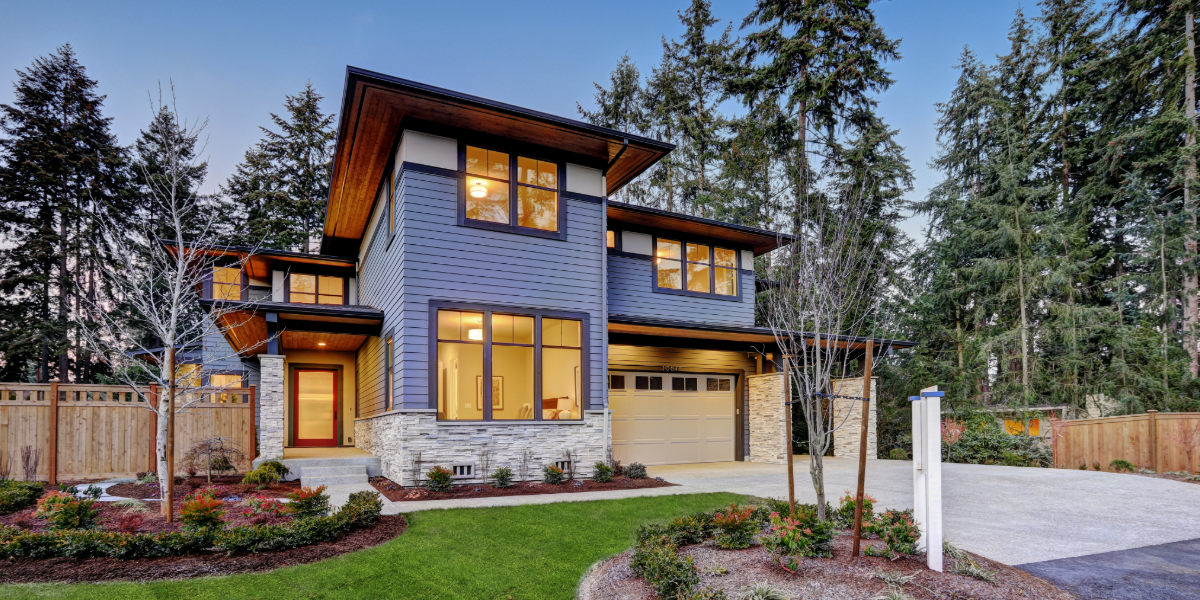
Selling a luxury home in Seattle is a different process than selling almost any other type of property. You are not simply moving square footage. You are presenting a lifestyle that buyers at this level are paying a significant premium to access, whether that means a waterfront estate on Mercer Island, a restored Capitol Hill mansion, a modern West Seattle home with Puget Sound views, or a glass-and-concrete property in Bellevue or Kirkland. Getting that sale right, at the right price, takes more than a sign in the yard and a listing on the multiple listing service.
This guide is written for homeowners who want a clear, honest look at what the Seattle luxury real estate process actually involves.
Understanding the Seattle luxury real estate market
Seattle real estate at the high end operates differently than the broader housing market. While general buyers are closely watching interest rates and affordability indexes, luxury buyers are watching tech stock performance, RSU vesting schedules, and private equity returns. In greater Seattle, a meaningful portion of high-net-worth wealth is tied to the technology sector, which means the luxury market here has its own rhythm that does not always move in sync with national market trends.
That said, the fundamentals still apply. Limited inventory of genuinely exceptional properties keeps demand durable even when market conditions soften elsewhere. There is only so much true waterfront in the Seattle area, and that scarcity supports values over the long term.
Properties in the luxury tier, typically priced above $3 million across the greater Seattle region, tend to attract a different profile of home buyers than mid-range listings. These are often executives, founders, physicians, and out-of-state or international buyers relocating to the Pacific Northwest for work or lifestyle reasons. Understanding who your right buyer is shapes every decision you make in the sale process.
When to list your Seattle home
Timing in the Seattle luxury market is more nuanced than in the general housing market. A few factors are worth considering carefully.
Seasonal appeal matters more at the luxury level
A luxury home with mountain or water views sells differently in May than it does in December. Outdoor living spaces, rooftop terraces, and large windows designed to frame views of the Cascades or Puget Sound show best when the skies cooperate. In the Pacific Northwest, late March through early June tends to be the most visually compelling window for high-end properties. That said, motivated buyers exist year-round, and a well-prepared listing in January with minimal competition can attract serious attention from buyers who have been frustrated by the lack of options.
Tech vesting cycles create real demand windows
Sellers in the Seattle area who understand the local economy time their listings around equity vesting events. Many executives at major tech companies see stock and option grants vest in the spring and fall. That liquidity tends to translate into real estate activity. Listing in late April, after tax season, places your home in front of buyers who often feel their most financially confident.
Inventory levels affect your leverage
In the luxury market, being the only comparable option in your neighborhood is an advantage. Tracking what else is available in your price range and neighborhood before you list helps you assess whether the timing is in your favor.
Preparing your Seattle home for luxury buyers
At this price point, buyers are comparing your home against five-star standards. First impressions are everything, and there is no such thing as "good enough."
Professional staging is not optional
Professional staging at the luxury level is not about renting furniture to fill empty rooms. It is about curating a lifestyle. Scale matters. A $4 million Seattle home needs furnishings, art, and textiles that match its architecture and proportions. Professional staging done well does not look staged at all. It looks like a thoughtfully lived-in home that happens to be perfect.
Stagers working in the Seattle luxury market often create what are called "lifestyle vignettes," small scenes within a room that help potential buyers visualize the experience of living there. A well-set dining table, a reading nook with curated books, a primary suite that feels like a boutique hotel. These details affect how buyers feel, and in luxury real estate, how buyers feel drives offers.
Upgrades that move the needle
Not every renovation delivers ROI at the high end, but some upgrades reliably do. Professional-grade appliances from brands like Wolf, Sub-Zero, or Gaggenau signal quality to buyers who know what they are looking at. Architectural lighting upgrades are one of the highest-return improvements available, changing the entire atmosphere of a home for a relatively modest investment compared to a full remodel.
In the Seattle area, buyers at this level also pay close attention to climate systems, air filtration, and smart-home infrastructure. These are no longer luxury extras. They are expectations. Ensuring your home's systems are current and well-documented is part of preparing for a discerning audience.
Lead with the hero feature
If your home has a view of the Space Needle, Mt. Rainier, or the water, every element of your preparation should serve that view. If the architecture is significant, whether mid-century modern in Madison Park or a classic Tudor in Queen Anne, lean into that identity. Seattle home buyers at the luxury level pay for a sense of place. They want a home that feels intentional and irreplaceable.
If your home needs cosmetic work or pre-sale repairs before listing, Every Door Real Estate's Turnkey Services can help coordinate those improvements without the seller having to manage contractors independently. You can learn more at everydoorrealestate.com/turnkey.
Building a luxury marketing strategy
Standard real estate marketing sells houses. Luxury marketing creates desire.
The listing description should tell a story
A luxury listing description should never read like a feature checklist. Instead of "4 bedrooms, 3 baths, updated kitchen," write toward the experience. Help potential buyers imagine the sunset from the primary suite terrace, the sound of water against the bulkhead on a quiet morning, or hosting a dinner party in a kitchen designed for exactly that. The goal is to generate genuine emotional engagement before the buyer ever walks through the door.
High-quality visual marketing materials are non-negotiable
Cinematic video tours, aerial drone footage, and high-quality photography are the baseline in Seattle luxury real estate. Virtual tours have also become a meaningful tool, particularly for out-of-state and international home buyers who are making initial decisions before they can visit in person.
Your marketing materials need to be good enough to stop someone mid-scroll. At this price point, buyers are discerning about everything, and a poorly lit listing photo actively signals that the seller is not serious.
Social media and digital targeting
Social media reaches buyers well beyond traditional listing platforms. A well-executed digital marketing strategy for a luxury property uses targeted advertising to reach high-net-worth individuals based on geography, income proxies, and interest signals. This includes reaching potential buyers in California's tech corridors, New York, and internationally. Geo-targeted campaigns can place your listing in front of the right people well before they walk through an open house.
Private showings and broker networking
Some of the most effective marketing in luxury real estate never reaches the public. Broker-to-broker relationships and private events for the top real estate agents in the Seattle market can generate more qualified interest than weeks of public open houses. A well-connected agent brings your home to the attention of other agents actively working with buyers in your price range, including those representing buyers relocating to the Eastside or greater Seattle from outside the region.
The question to ask any agent you are considering: how many of your recent home sales happened before the property hit the multiple listing service?
Choosing the right real estate agent
Your representation is the most consequential decision you will make in this process.
What a luxury specialist brings to the table
Not every real estate agent is equipped to handle a high-end property sale. A luxury specialist understands discretion, complex financing structures, jumbo loan nuances, and how to handle buyers who may be represented by a family office or a corporate relocation team. They also know how to manage the inspection and appraisal process on properties that are unique enough to lack clean comparable sales.
Ask prospective agents about their specific track record in your price range. Ask for their digital marketing budget per listing and their approach to reaching out-of-state and international buyers. Ask how they handle off-market situations. And ask about their brokerage, including whether it has the relationships, global referral network, and brand recognition that luxury buyers respond to.
What great real estate agents do differently
The best real estate agents at this level are proactive rather than reactive. They are already talking to other agents who represent tech executives, athletes, and corporate buyers moving to the Seattle area. They position your listing within the broader competitive landscape and adjust the marketing plan in real time based on feedback and market conditions. They are present at appraisals, involved in every negotiation, and honest with you when the data requires an uncomfortable conversation.
Working with a knowledgeable local agent can make a measurable difference in sale price, days on market, and the smoothness of the transaction. The team at Every Door Real Estate works with sellers across Seattle's luxury neighborhoods, from Capitol Hill and Queen Anne to West Seattle, Madison Park, and the Eastside. Reach out here to start a conversation.
Pricing your luxury home correctly
Comparable sales are often limited
In the luxury tier, finding true comparable sales is harder than in the general Seattle real estate market. You may be looking at sales from 18 months ago or in different neighborhoods to find an architecturally similar match. A skilled agent uses a combination of comparable home sales, days-on-market trends for similar properties, and current inventory levels to develop a well-supported pricing position.
The cost of overpricing
Luxury buyers are sophisticated. If a home has been sitting on the market for 60 or 90 days, they assume something is wrong. That assumption is very difficult to reverse, and it typically leads to either significant price reductions or the home eventually selling well below where it should have. The overpricing trap strips sellers of their negotiating leverage and extends the timeline unnecessarily.
Strategic pricing creates momentum
Pricing your home at a compelling point, even slightly below what a maximally aggressive number might look like, often generates more interest, faster offers, and ultimately a higher sale price than testing the market at an inflated figure. If the market analysis suggests your home's value is around $4.2 million, a $4.1 million starting price can create a sense of urgency that a $4.5 million ask will not.
Navigating offers and negotiations
In luxury real estate, the highest offer is not automatically the best offer.
Evaluating offer strength
Cash offers carry less risk of appraisal complications, which are common in unique high-end properties. When a buyer is financing, the size of the down payment matters. A buyer putting 40 percent down on a Seattle home is substantially less likely to face closing issues than one putting 10 percent down. Require proof of funds early and evaluate the full structure of each offer before responding.
Contingencies and their real cost
A slightly lower offer with minimal contingencies may be worth more than a higher offer with extended inspection periods, financing contingencies, and broad feasibility language. At the luxury level, every contingency represents time and uncertainty. Work with your agent to assess the real risk-adjusted value of each offer, not just the headline number.
Out-of-state and international buyers
Seattle's position as a global technology and trade hub means you may receive interest from buyers in California, Canada, Asia, or elsewhere who have not visited the property in person. These transactions require an agent experienced in international wire protocols, time zone management, and working with representatives or buyer's agents acting on someone else's behalf.
The closing process
The final stage of a luxury home sale involves more complexity than a standard transaction.
Inspections and appraisals
Expect a thorough inspection process. Luxury properties often require specialists for pools, elevators, wine cellars, smart-home systems, and structural elements. Prepare your contractors in advance and have documentation ready for any system that might draw scrutiny.
Appraisals on unique properties can be challenging when comparable sales are limited. Your agent should attend the appraisal and bring a well-organized data package that supports the pricing. This is not the moment to be hands-off.
Escrow and closing logistics
The escrow process on a high-value transaction involves more documentation, more parties, and more potential for delays. Sellers who are simultaneously purchasing another property often negotiate a rent-back period or extended closing timeline to allow for a smoother transition. Plan for this conversation early rather than under deadline pressure.
Post-sale tax considerations
Washington State has a graduated real estate excise tax that scales with the sale price. At the luxury level, this represents a meaningful line item that should be factored into your net proceeds calculation before you accept any offer. Consult your tax advisor well before closing.

Key takeaways for Seattle luxury sellers
- The Seattle luxury real estate market is driven by local tech equity cycles, limited inventory, and a global buyer pool, not just national interest rate trends
- Timing your listing around tech vesting windows and seasonal weather patterns can meaningfully affect buyer response
- Professional staging, high-quality marketing materials, and a strong digital marketing strategy are baseline expectations, not optional upgrades
- Overpricing is the most common and most damaging mistake in luxury home sales
- The right real estate agent brings off-market relationships, proactive outreach, and genuine expertise in complex luxury transactions
- Evaluating offer strength goes beyond sale price to include financing terms, contingencies, and buyer liquidity
- Escrow, inspections, and appraisals require more active management at this level than in a standard transaction
Frequently asked questions
What makes Seattle luxury real estate different from the broader market? The buyer pool is smaller and more sophisticated, inventory of truly exceptional properties is limited, and pricing decisions require a more nuanced market analysis. Buyers are often motivated by equity events rather than mortgage rate changes, and the transaction itself involves more complexity from inspection to escrow.
How do I find the right real estate agent for a luxury home sale? Look for specific experience in your price range, a track record of off-market or pre-market sales, a clear digital marketing strategy, and demonstrated connections to buyers and buyer's agents in the Seattle area and beyond. Ask direct questions about their last five transactions in the $3M-plus range.
Should I make upgrades before listing my luxury home? Focus on high-impact, buyer-facing improvements: professional-grade appliances, architectural lighting, updated climate and smart-home systems, and any deferred maintenance that a sophisticated buyer's inspector will flag. Cosmetic improvements that improve first impression typically deliver strong returns. Major structural renovations often do not.
How long does it take to sell a luxury home in Seattle? Timeline varies depending on price point, property uniqueness, and market conditions. Properly priced luxury homes with strong marketing can sell in weeks. Overpriced or under-marketed properties can sit for months and ultimately sell for less than they should have. There is no universal answer, but preparation and pricing are the two variables most within your control.
Check out this article next