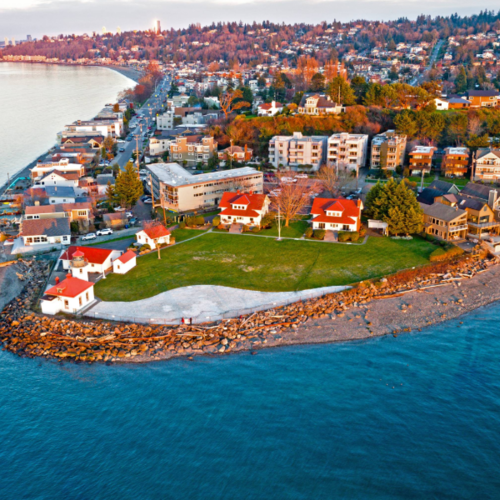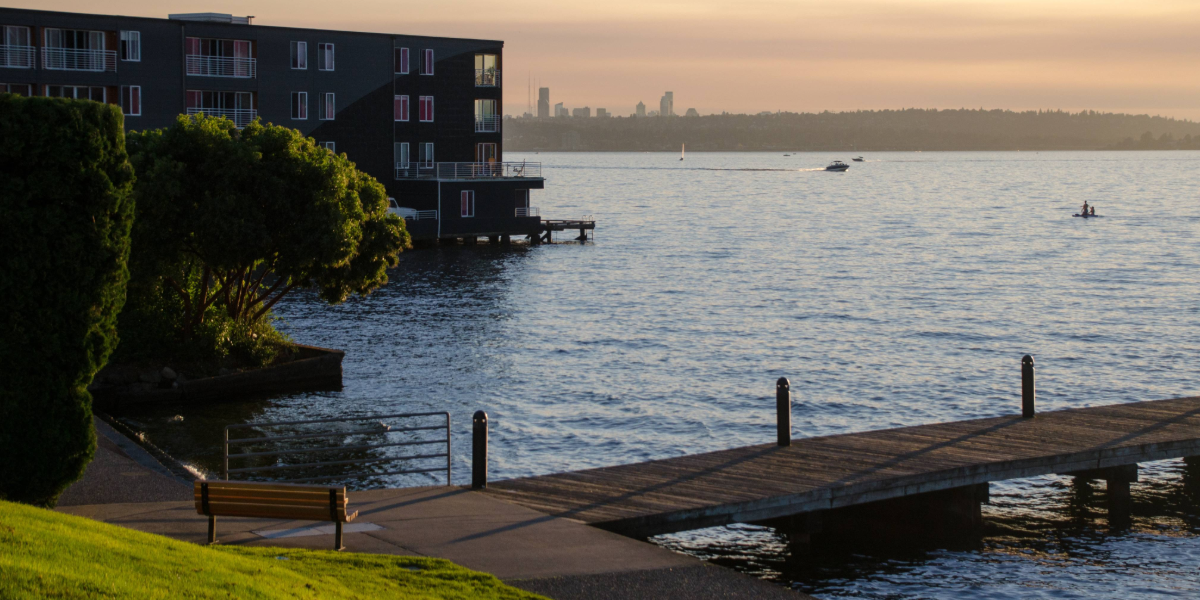
Kirkland has become one of the most sought after areas on the Eastside, known for its lakefront views, vibrant downtown, strong schools, and quick access to major tech hubs in Bellevue, Redmond, and the broader Seattle area. As we move into 2026, the Kirkland real estate market continues to show strength, supported by steady demand, limited housing supply, and consistent interest from homebuyers relocating both locally and from out of state.
This guide breaks down Kirkland home prices, market trends, affordability considerations, and what buyers and sellers should expect throughout 2026.
Understanding the Kirkland housing market in 2026
Kirkland sits right in the center of the Eastside, offering quick connections to Bellevue, Redmond, and the greater Seattle area. Buyers choose Kirkland for its walkable waterfront, neighborhoods filled with character, modern townhomes, and well regarded public schools.
Like many cities on the Eastside, Kirkland has limited space for new construction. With water along the western edge and built out residential zones throughout the city, housing inventory tends to stay tight. This drives competition and keeps home values high even when mortgage rates fluctuate.
Kirkland home prices in 2026: what buyers should expect
Home prices in the Kirkland housing market remain strong heading into 2026. Most recent estimates place the median home price between $1.2 million and $1.4 million, influenced by neighborhood demand, home size, condition, and proximity to Lake Washington.
Compared to the national average, Kirkland home prices remain significantly higher due to the area’s earning potential, limited land supply, and lifestyle appeal.
Single-family homes
Single-family homes remain the backbone of the Kirkland real estate market. In many neighborhoods, list prices begin around $1.5 million and exceed $2.5 million in premium locations such as West of Market, Houghton, and Juanita Point. Homes with updated interiors, larger sqft lots, walkability, or partial lake views tend to draw the strongest competition.
In 2026, many single-family homes continue to receive strong interest shortly after hitting the market, especially when priced in line with recent year-over-year data.
Condos and townhomes
Condos and townhomes offer a more affordable way for homebuyers to enter the Kirkland housing market. Many condos fall between $550,000 and $800,000, though luxury waterfront buildings may reach or exceed $1 million. Townhomes appeal to buyers relocating from Seattle who want more space without the price tag of a detached home.
This segment remains active in 2026 as affordability challenges influence purchasing decisions across the Seattle area.
Search for Kirkland homes for sale
You can explore real time listings, pricing trends, and neighborhood insights on Every Door’s page for Kirkland homes for sale.
Rental prices and affordability in 2026
Kirkland’s rental market remains competitive in 2026, fueled by the area’s proximity to Bellevue and Redmond’s tech corridor. One-bedroom rentals generally range between $2,000 and $2,600, while two-bedroom units range between $2,800 and $3,800, depending on building age and location.
Many renters transitioning into homeownership compare affordability across other Eastside markets, including Bellevue, Seattle, and Redmond before deciding where to buy.
Market trends shaping the Kirkland real estate market in 2026
Several key trends define the Kirkland housing market as we move further into 2026.
Low housing supply
Much like the rest of the Eastside, Kirkland continues to experience limited housing inventory. Even during peak buying months, the number of new listings does not fully meet buyer demand. This keeps competition elevated and supports home values across many neighborhoods.
Days on market
Most homes in Kirkland sell within 10 to 20 days, with some selling even faster if the asking price matches neighborhood trends. Homes that are move in ready or close to schools, shopping, or the waterfront tend to attract the most activity.
Interest rates and mortgage rates
Interest rates continue to shape affordability. Higher mortgage rates influence monthly payments and borrower budgets, but Kirkland’s buyer pool often includes households with higher incomes or established equity. If mortgage rates improve in 2026, buyer demand may increase quickly, especially for condos and well priced single-family homes.
Price per square foot
Price per square foot in Kirkland remains among the highest on the Eastside. Homes west of Market Street or near Lake Washington typically command significant premiums, while homes farther east offer more sqft for the price. Overall, price per square foot is expected to remain steady or increase slightly in 2026.
Affordability considerations for Kirkland homebuyers
Affordability remains a key focus for many homebuyers entering the Kirkland housing market. With higher home prices and fluctuating mortgage rates, buyers often begin by evaluating the size of their down payment, since it directly affects monthly payments and overall competitiveness.
Many homebuyers model different financing scenarios with local lenders to understand how monthly payments change at various list price ranges. Working with a team that specializes in Eastside lending, such as Every Door Home Loans, can help buyers compare mortgage options, lock in competitive rates, and determine realistic affordability based on their long term goals.
Buyers also compare appreciation trends and pricing differences across Kirkland neighborhoods. Homes west of Market Street or near the waterfront tend to have higher asking prices, while areas farther east offer more affordability for similar sqft. Condos and townhomes continue to serve as accessible entry points for buyers seeking lower initial costs and long term equity potential.
Many homebuyers also compare affordability across nearby Eastside markets like Bellevue, Redmond, and Seattle before deciding where their budget aligns best with commute needs and lifestyle preferences. Working with lenders familiar with Eastside pricing helps buyers understand realistic expectations and choose financing strategies that support their long term plans.
Kirkland housing market forecasts for 2026
Short term outlook
Short term projections indicate stable pricing and moderate appreciation. Demand continues to outpace supply, and new listings remain limited. Buyers should expect continued competition, especially in walkable neighborhoods close to downtown Kirkland or the waterfront.
Long term outlook
Over the long term, Kirkland remains well positioned for home value growth. Its mix of lifestyle amenities, schools, and job proximity ensures that demand stays high. Limited land for new construction supports long term home values, making Kirkland an appealing choice for both buyers and investors planning for multi year horizons.
Is Kirkland a good investment in 2026?
For homebuyers
Kirkland remains a strong market for homebuyers who want lake access, walkability, community amenities, and strong appreciation potential. Many buyers relocating from Seattle or Bellevue view Kirkland as a balanced alternative that still offers access to major employment centers.
For sellers
Sellers remain in an advantageous position due to low inventory and consistent demand. Realistic pricing, professional preparation, and effective marketing can help sellers capture strong offers quickly.
For investors
Kirkland offers favorable conditions for investors, including low vacancy rates, strong rental demand, and steady appreciation. Condos and smaller single-family homes remain accessible options for investors who want to enter the Eastside market.
Final takeaways
The Kirkland real estate market remains one of the strongest and most desirable markets on the Eastside. With a healthy balance of lifestyle appeal, access to major tech employers, and limited housing supply, Kirkland home prices show resilience heading into 2026. Whether you are buying, selling, or investing, understanding these trends helps you make informed and confident decisions.

Frequently asked questions about Kirkland market trends
What is the median home price in Kirkland in 2026?
Most recent estimates place the median home price between $1.2 million and $1.4 million, depending on neighborhood, home size, and recent sales. This range reflects publicly available market data from sources like Zillow, Redfin, and local MLS reporting.
Is Kirkland a competitive market?
Yes. Kirkland remains a competitive market due to limited housing supply and steady buyer demand. Homes that are priced in line with recent neighborhood sales typically receive strong interest within the first one to two weeks on the market.
Are Kirkland home prices expected to go down in 2026?
Current forecasts suggest that Kirkland home prices will remain stable with modest appreciation. Low inventory, continued job growth on the Eastside, and limited land for new development help support home values even when mortgage rates fluctuate.
What types of homes are common in Kirkland?
Kirkland features a mix of single-family homes, condos, townhomes, and luxury waterfront properties. Neighborhoods like Houghton, Juanita, and West of Market each offer distinct home styles and price ranges.
How quickly do homes sell in Kirkland?
Most well priced homes sell within 10 to 20 days, based on recent year-over-year patterns and MLS data. Updated homes in walkable or waterfront-adjacent neighborhoods tend to move even faster.
Is Kirkland more affordable than Bellevue?
Generally yes. While both cities have high home values, Kirkland often offers more affordability for similar sqft and proximity to major employment centers. Kirkland also provides a broader range of listing prices across condos, townhomes, and single-family homes.
Where can I browse listings for Kirkland homes?
You can explore active listings and neighborhood insights on Every Door’s page for Kirkland homes for sale.
Can I compare nearby markets before choosing where to buy?
Yes. Many homebuyers compare Kirkland with other nearby Eastside markets such as Bellevue, Seattle, and Redmond to evaluate affordability, commute preferences, and long term home value trends.
Check out this article next