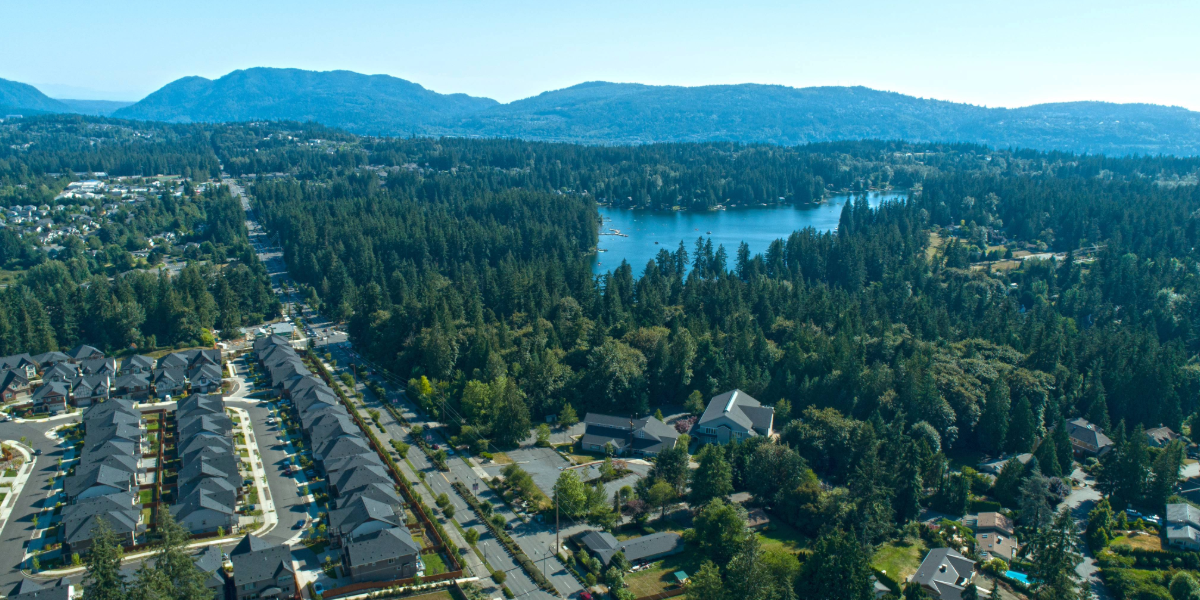
Redmond’s housing market continues to behave like a true Eastside market, steady demand, tight supply, and buyers who tend to be well-qualified. The city’s job base, school reputation, and proximity to major tech campuses keep Redmond near the top of the “short list” for people relocating to the Seattle area or moving across the region.
If you are buying or selling in Redmond, the most useful lens is not national headlines. It is local inventory, pricing behavior, and how quickly well-priced homes actually move. Below is a hyper-local look at Redmond housing market trends and what they mean as we head into 2026.
Redmond Housing Market: Quick Snapshot
Redmond remains a high-demand market with limited housing supply, but it has become more measured than the peak frenzy years. Buyers are still active, sellers still benefit from scarcity, and homes that are priced correctly tend to sell without lingering.
In plain terms, Redmond is not “slow,” it is simply more selective. Well-presented listings still get attention quickly, while homes that overshoot the market often sit long enough for buyers to negotiate.
If you want a feel for what is available right now, browsing Redmond homes for sale is one of the best ways to see pricing, housing types, and how much inventory is actually on the shelf.
Redmond Home Prices and What They Reflect
Most current estimates place the median home price in Redmond between $1,050,000 and $1,250,000, depending on neighborhood, home size, condition, and proximity to amenities. That range lines up with recent public market reporting from sources such as Zillow and Redfin, which track both home values and closed sale trends.
What is important to understand is that Redmond pricing is not just about the number. It is about what buyers are paying for: location, commute convenience, school access, and the overall stability of the Eastside market.
Single-family homes in established areas generally command the highest prices, especially those near downtown Redmond or major employment hubs. Condos and townhomes often provide a lower entry point for first-time buyers, downsizers, or buyers relocating from outside Washington.
Inventory and Days on Market in Redmond
Inventory is still one of the biggest drivers of Redmond housing market trends. New listings come online consistently, but demand often absorbs them before inventory can build up meaningfully. That creates a market where buyers have options, but strong listings do not sit indefinitely.
In most parts of Redmond, the market is operating at well under two months of supply, which leans seller-friendly. Even so, Redmond feels less chaotic than it did a few years ago because buyers are more payment-sensitive and more inspection-conscious.
As a general pattern, well-priced homes tend to sell within 10 to 25 days, while homes priced above the likely appraisal range may sit longer and eventually reduce the asking price. This is a market that rewards pricing accuracy more than optimism.
What Mortgage Rates Are Changing For Redmond Buyers
Mortgage rates have changed buyer behavior across the Eastside. In Redmond, the biggest shift is that buyers are thinking in monthly payments first, and list price second. Even highly qualified buyers are slower to overreach when interest rates are elevated.
In practice, that means:
- Buyers compare homes more carefully before jumping in
- Contingencies are more common than in peak frenzy periods
- The gap between a “well-priced home” and an “ambitious list price” is more obvious
If you are trying to understand seller preferences in this environment, it helps to know how financing type influences leverage. This breakdown of cash offers vs traditional loans explains why some offers win even when they are not the highest number.
Affordability And Tradeoffs Across The Eastside
Affordability is relative in the Seattle area, and Redmond typically sits between Seattle and the most expensive parts of the Eastside. Many buyers feel Redmond offers a strong “value for stability” tradeoff, especially if they want more space than central Seattle neighborhoods typically provide.
A common decision point is choosing Redmond versus nearby alternatives like Bellevue or Seattle. Some buyers prioritize commute and schools. Others prioritize walkability, housing style, or price per square foot. When buyers step back and compare options across the region, Redmond tends to remain highly competitive, but not always the highest-priced choice.
Neighborhood Variation Inside Redmond
Redmond is not one uniform market. Different pockets behave differently based on housing stock, proximity to amenities, and the concentration of move-in ready inventory.
Downtown-adjacent areas often move quickly due to walkability and access to restaurants, parks, and transit. Neighborhoods with larger lots and older homes can attract buyers who want long-term upside, potential renovations, or more privacy. Townhome-heavy areas often provide more entry-level opportunities and can feel less competitive than the single-family segment.
This is why local comps matter. Two homes with similar square footage can perform very differently depending on street, layout, and buyer perception.
Redmond vs. Bellevue vs. Seattle: Understanding Eastside Tradeoffs
Buyers and sellers often compare Redmond against nearby Eastside and Seattle markets before making a decision. While these cities are close geographically, their housing markets behave differently in practice.
Redmond sits in a middle ground. It offers strong long-term demand driven by employment and schools, with slightly more affordability and inventory flexibility than Bellevue. Redmond buyers often gain newer housing stock, better value per square foot, and a calmer pace compared to peak-priced Eastside neighborhoods.
Bellevue typically commands the highest prices of the three. Inventory is tight, competition is intense, and buyers are often willing to pay a premium for proximity to major employers and downtown amenities. Bellevue remains highly desirable, but price sensitivity is more pronounced when mortgage rates rise.
Seattle offers the widest range of housing options. Buyers may find lower entry points in certain neighborhoods, but often trade space or newer construction for location. Seattle pricing varies significantly by neighborhood, and inventory conditions can differ dramatically within short distances.
For buyers, the decision often comes down to commute needs, housing style, and budget tolerance. For sellers, understanding where your home fits within this regional comparison helps set realistic expectations for pricing and demand.
What Redmond Market Trends Mean If You Are Buying
For buyers, Redmond remains competitive, but it is not impossible. The buyers who tend to succeed are prepared, realistic, and decisive when the right home hits the market.
That usually means:
- Getting pre-approved early and understanding your payment comfort zone
- Paying attention to condition and inspection risks
- Knowing when a list price is a fair reflection of comps versus aggressive positioning
A strong local partner helps here, especially when you are trying to understand the nuance behind pricing and strategy. If you want a clear overview of how support actually helps in competitive markets, this explainer on why working with a real estate agent matters is a helpful reference.
What Redmond Market Trends Mean If You Are Selling
For sellers, Redmond remains favorable, but it is more pricing-sensitive than it used to be. Buyers are active, but informed. Homes that are positioned well tend to perform, while homes that stretch too far past recent comps often see longer days on market.
Two seller realities are especially important in 2026:
- Presentation and pricing still matter even in a strong market
- Certainty is becoming more valuable, especially for sellers with timelines
If you are thinking about selling and want a fast baseline on your pricing range, starting with how much is my house worth in Redmond can help you sanity-check where your home may land relative to today’s market.
For sellers who value speed, predictability, or a simpler process, it can also be worth comparing a traditional listing with a direct option like a cash offer for a Redmond home, especially if avoiding repairs, staging, or showings is a priority.
Redmond Housing Market Outlook For 2026
Looking ahead, Redmond’s long-term story is stability more than hype. Demand is supported by employment concentration, limited buildable land, and ongoing investment in infrastructure and transit. Those fundamentals tend to reduce volatility, even when mortgage rates shift buyer sentiment.
Most signs point toward a market that remains steady with modest movement rather than dramatic swings. Buyers may gain slightly more negotiating room than in past peak years, but limited supply is still the backbone of pricing support, especially for well-located single-family homes.

Frequently asked questions about Redmond housing market trends
What is the median home price in Redmond?
Most current estimates place the median home price between $1,050,000 and $1,250,000, depending on neighborhood and home type. This range aligns with recent public housing market reporting from Zillow and Redfin.
Is Redmond a competitive market?
Yes. Redmond remains competitive because housing supply is limited and buyer demand is steady. Well-priced homes, especially move-in ready listings, tend to attract strong interest.
How quickly do homes sell in Redmond?
Many well-priced homes sell within 10 to 25 days, though timelines vary by neighborhood, condition, and the gap between asking price and recent comparable sales.
Are Redmond home prices expected to fall in 2026?
Most outlooks suggest Redmond will remain relatively stable with the potential for modest appreciation. Higher mortgage rates can soften demand, but limited inventory typically supports home values.
Is Redmond more affordable than Bellevue?
Generally, yes. Redmond often offers a slightly lower price per square foot than Bellevue, while still providing strong schools and proximity to major employers.
Final thoughts on Redmond housing market trends
Redmond continues to offer a rare mix of stability and long-term demand within the Eastside. While affordability is a real challenge, the market rewards buyers and sellers who approach decisions with realistic expectations and a clear read on local dynamics.
The most important takeaway is that Redmond is not one market, it is a set of neighborhoods with different pricing behavior, inventory patterns, and buyer demand. Understanding that hyper-local reality is what helps you buy confidently or sell with the least friction.
If you want help pressure-testing a price, timing a move, or comparing listing versus cash paths, Every Door Real Estate can help you navigate the Redmond market with clear, local insight.
Check out this article next