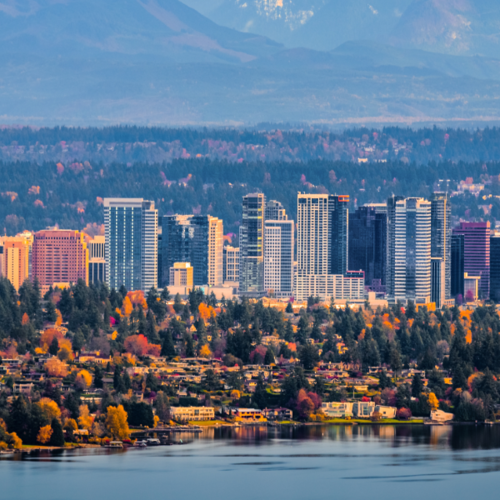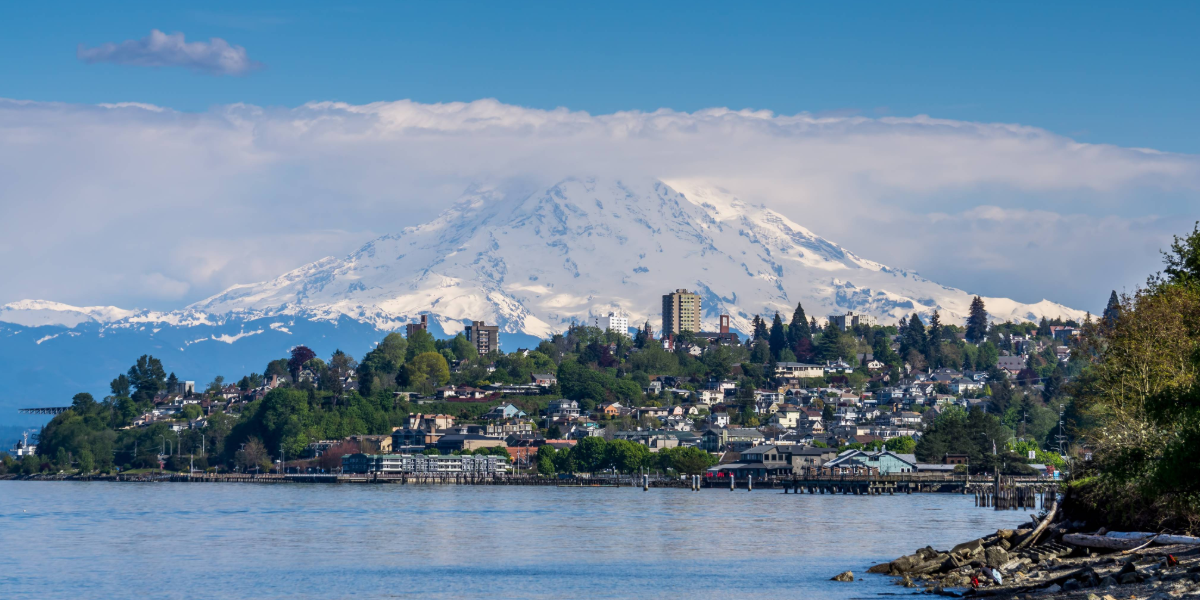
Tacoma is not Seattle-lite, and buyers who approach it that way often misunderstand the market. While Tacoma is sometimes framed as a more affordable alternative to Seattle, the reality is that Tacoma operates on its own terms. Pricing, demand, and buyer behavior are shaped by neighborhood identity, housing stock, and long-standing local dynamics rather than rapid commercial growth.
As we move through 2026, the Tacoma real estate market continues to attract buyers looking for space, character, and long-term livability. Sellers benefit from steady demand, but success here depends more on pricing accuracy and neighborhood knowledge than on market momentum alone.
This guide explains how Tacoma actually works and what that means if you are buying or selling this year.
Tacoma WA Real Estate At A Glance In 2026
Tacoma, WA remains one of the more accessible housing markets in Washington, but affordability here is nuanced. Most homes fall within a wide pricing range depending on location and condition, and demand varies block by block rather than citywide.
In general, Tacoma attracts:
- Buyers priced out of Seattle who still want a city environment
- First-time buyers seeking single-family homes
- Long-term residents trading up within the city
- Investors focused on neighborhood-specific opportunities
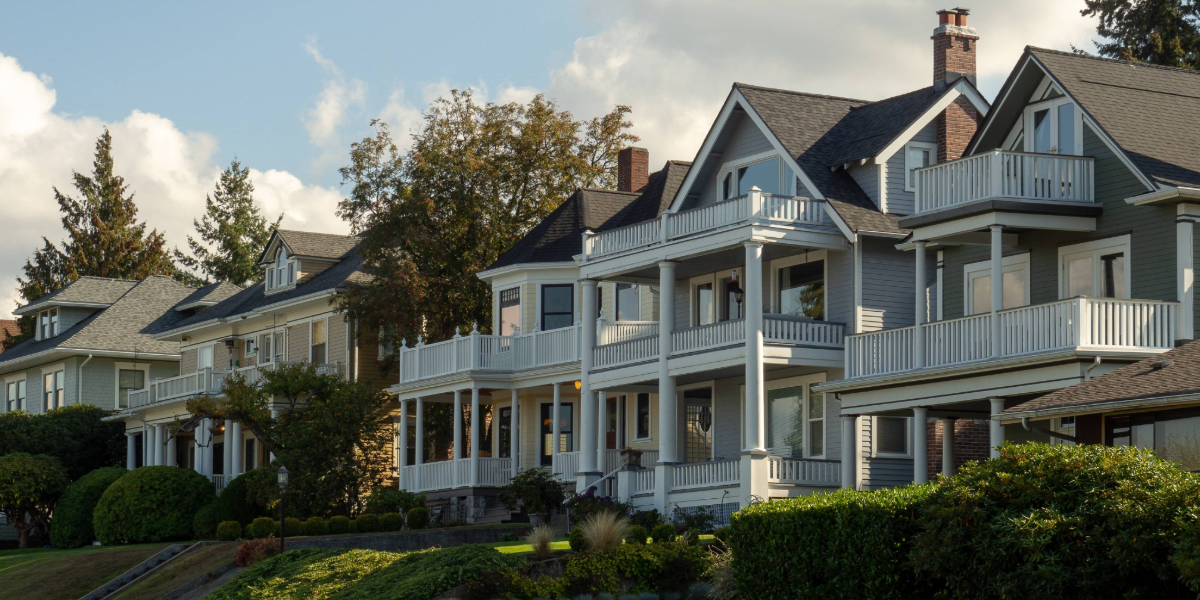
Most transactions involve detached homes, often older but full of character. Unlike Seattle, new development plays a smaller role in shaping supply, which keeps pricing grounded in local realities rather than speculative growth.
You can see how pricing and inventory vary by neighborhood by browsing Tacoma homes for sale.
How The Tacoma Housing Market Actually Works
The most important thing to understand about Tacoma is that it is a collection of micro-markets. North Tacoma behaves very differently than South Tacoma. Waterfront-adjacent neighborhoods follow different pricing patterns than hillside or suburban areas. Because of this, broad citywide statistics only tell part of the story.
Affordability in Tacoma still exists because much of the housing stock is older and spread across diverse neighborhoods. Buyers often have choices here that do not exist in Seattle, such as larger lots, detached homes, and quieter residential streets at lower price points.
Interest rates matter more in Tacoma than in higher-priced markets. Many buyers here are financing a larger portion of their purchase, which means changes in mortgage rates can directly influence activity. When rates rise, buyers slow down rather than disappear. When rates stabilize, demand tends to return quickly.
Tacoma also benefits from a diversified employment base. Healthcare, port activity, education, and military-related employment provide a level of stability that supports consistent housing demand even during economic shifts.
What This Means If You Are Buying In Tacoma
For buyers, Tacoma rewards preparation and neighborhood knowledge. Homes that are priced well tend to sell within weeks, but buyers usually have more breathing room than they would in Seattle. This allows for thoughtful decision-making rather than rushed offers.
Many buyers choose Tacoma because it allows them to buy a single-family home with outdoor space while maintaining reasonable monthly payments. Understanding transaction costs, such as those outlined in this guide to Washington State closing costs, helps buyers budget realistically and avoid surprises.
Comparing Tacoma to broader regional patterns, including recent Seattle real estate market trends, can also help buyers understand where Tacoma fits within the larger housing landscape.
What This Means If You Are Selling In Tacoma
For sellers, Tacoma is best described as a pricing-sensitive but active market. Buyers are engaged, but they are also well informed and quick to compare homes across neighborhoods. Properties that are priced in line with recent local sales and presented well tend to attract steady interest, while homes that overshoot market value often experience longer days on market and may require price adjustments.
Preparation and positioning matter more than timing alone. Small updates, realistic pricing, and clear marketing can have a meaningful impact on how quickly a home sells and the type of offers it receives. Because Tacoma is made up of many distinct neighborhoods, understanding how buyers view your specific area is especially important.
For sellers who want a faster and more predictable path, it may also make sense to explore a cash offer for a Tacoma home, particularly if avoiding repairs, showings, or extended timelines is a priority. This option can be appealing for homeowners who value simplicity and certainty over maximizing price in a traditional listing.
Looking Ahead For Tacoma’s Real Estate Market
Tacoma’s long-term appeal has never been about hype or rapid transformation. Instead, it is rooted in livability, neighborhood character, and a pace of growth that feels intentional. Continued infrastructure investment, gradual waterfront development, and steady population growth are expected to support housing demand over time without fundamentally changing what draws people to Tacoma in the first place.
Rather than experiencing sharp price spikes or dramatic swings, Tacoma is likely to continue offering measured growth and relative affordability compared to Seattle. That stability appeals to buyers who are planning to stay put and sellers who value predictability over volatility. It also means that success in Tacoma depends less on timing the market and more on understanding neighborhood-level dynamics and buyer expectations.
This is where working with locally focused brokerage matters. Every Door Real Estate has deep experience across Tacoma’s diverse neighborhoods and understands how pricing, preparation, and positioning differ from one area to the next. Whether you are buying your first home, selling a long-held property, or exploring alternatives like a cash offer, having a team that understands how Tacoma actually works can make the process clearer and more confident.
If you are considering a move or want to understand your options, you can contact Every Door Real Estate to speak with a local expert and get personalized guidance based on your goals.
Final takeaway
Tacoma’s real estate market in 2026 is defined less by hype and more by local nuance. Buyers and sellers who succeed here understand that pricing, demand, and timing are driven by neighborhood-level dynamics, interest rate sensitivity, and the city’s older, character-rich housing stock—not Seattle’s growth patterns. With steady demand, moderate price growth, and a strong emphasis on preparation and local expertise, Tacoma rewards informed decisions and realistic expectations rather than trying to time the market.
Frequently Asked Questions About Tacoma’s Real Estate Market
Is Tacoma still affordable compared to Seattle and the Eastside?
Yes — Tacoma remains significantly more affordable, with median home prices hundreds of thousands lower than Seattle and the Eastside, making it one of the most accessible urban markets in the Puget Sound.
Is it a buyer’s or seller’s market in Tacoma right now?
Tacoma is currently a slightly seller-leaning but stabilizing market, with conditions expected to feel more balanced as inventory slowly increases into 2026.
Which Tacoma neighborhoods are most popular right now?
The North End, Proctor, Stadium District, Hilltop, and parts of South Tacoma continue to see strong buyer interest due to location, amenities, and long-term value.
How competitive are offers in Tacoma?
Well-priced homes in desirable neighborhoods still receive multiple offers, though buyers now have more room to negotiate than during peak years.
How long do homes typically stay on the market in Tacoma?
Homes in Tacoma generally sell within three to six weeks, depending on price, condition, and neighborhood.
What price range is seeing the most demand?
The strongest demand is typically in the entry-level to mid-range price points, where buyers are seeking value relative to Seattle.
How much should I budget for closing costs in Tacoma?
Buyers and sellers should generally plan for 2–5% of the home’s price in closing costs, depending on the transaction and loan type.
Check out this article next