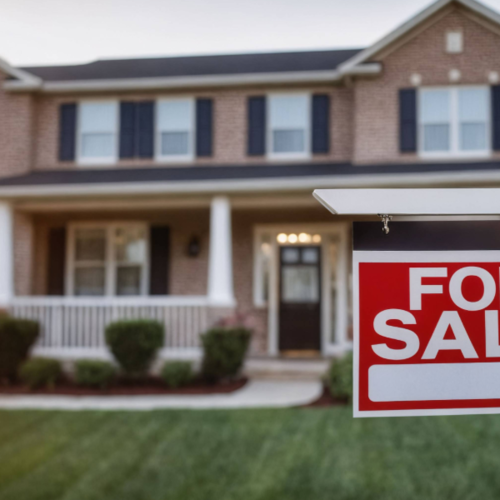
The real estate market continues to evolve, and by 2026, cash offers have become one of the most influential forces shaping residential real estate transactions across Washington State. In competitive markets, cash buyers often hold an advantage not because they pay more, but because they reduce risk, shorten timelines, and simplify the closing process.
Whether you are buying or selling, understanding what a cash offer actually means and how it impacts leverage, certainty, and outcomes is essential. A cash offer is not just a different way to pay. It fundamentally changes the dynamics of a home sale.
This guide explains how cash offers work, why sellers often prioritize them, how buyers can compete without one, and what to consider before accepting or submitting a cash offer in 2026.
What exactly is a cash offer in real estate?
A cash offer means the buyer has sufficient liquid assets to cover the full purchase price without relying on mortgage financing. There is no mortgage lender involved in approving the purchase, no underwriting process, and no loan approval contingency tied to the sale.
Cash does not mean physical currency. In practice, funds are held in bank accounts, brokerage accounts, or other verified sources. Once an offer is accepted, the buyer provides proof of funds, typically through bank statements or a verification letter, and proceeds through escrow like any other home purchase.
In today’s real estate market, this distinction matters. Removing mortgage financing eliminates one of the most common failure points in traditional sales. That is why sellers often view an all-cash offer as lower risk than traditional financing, even when the sale price is similar.
What a cash offer really signals to sellers
A cash offer is less about the buyer’s net worth and more about certainty.
When a buyer submits a cash offer, they are removing risks tied to underwriting, appraisal discrepancies, interest rate volatility, and loan approval delays. For sellers, that certainty can outweigh price, especially in competitive markets where deals frequently fall apart at the last minute.
This dynamic is especially common in high-demand areas. Sellers weighing offers may compare a financed offer to a cash offer in Seattle, where fewer contingencies and a faster closing date can matter more than maximizing sale price. Similar considerations apply in premium Eastside markets like a Bellevue or Redmond, where buyer competition remains strong year-round.
How a cash transaction works from offer to closing
While cash transactions move faster, they still follow a structured closing process designed to protect both parties.
After an offer is accepted, the buyer deposits earnest money into an escrow account. This upfront commitment shows seriousness and starts the formal closing process. Instead of submitting financial documents to a mortgage lender, the buyer provides proof of funds, often in the form of bank statements or a financial institution letter.
From there, the transaction moves toward closing. Title review, the home inspection, and due diligence still occur, but the financing contingency is absent. There is no mortgage approval, no underwriting timeline, and no appraisal contingency required by a lender.
At closing, funds are delivered via wire transfer or cashier’s check to the title company, which then distributes proceeds to the seller. This streamlined closing process often leads to a faster closing date and fewer last-minute surprises.
Why sellers often prioritize cash offers
From a seller’s perspective, cash offers address two of the most important concerns in any home sale: speed and certainty.
Faster closing timelines
Traditional financing typically requires 30 to 45 days to close. During that period, the home is off the market, but the outcome is not guaranteed.
Cash transactions often close in as little as 7 to 14 days. That faster closing can be especially appealing for homeowners relocating, managing estate sales, or coordinating the purchase of a new home.
Reduced transaction risk
Financed deals introduce multiple risks. Loan approval can fail, underwriting conditions can change, and appraisals can come in below market value, forcing renegotiation or cancellation.
Cash buyers eliminate these financing-related risks entirely. That is why sellers often accept cash deals even when a financed offer comes in slightly higher.
Fewer hurdles and less hassle
Traditional financing adds layers of paperwork, lender requests, and communication between multiple parties. Cash transactions remove many of these steps, resulting in fewer delays and less hassle for sellers.
This simplicity is one reason some homeowners consider options like a cash offer on a Mercer Island home, where privacy, certainty, and timeline control are often prioritized.
No appraisal contingency
With mortgage financing, appraisals can create last-minute issues if the home does not appraise at the agreed purchase price. Cash buyers are not subject to lender-required appraisal contingencies, removing a common obstacle in competitive markets.
No financing contingency
The financing contingency allows buyers to exit a deal if loan approval fails. Cash offers remove this clause, giving sellers confidence once the purchase agreement is signed.
The different types of cash offers in 2026
Not all cash offers come from the same type of buyer. Understanding who is making the offer helps sellers evaluate motivation, risk, and expectations.
Genuine all-cash buyers
These buyers have the full purchase price available and can close without financing. Some are purchasing a primary residence, others are investors. Their advantage is straightforward: fewer contingencies and a faster closing process.
Lender-backed cash programs
Some buyers appear as cash buyers even though financing is involved behind the scenes. A third party purchases the home with cash, then the buyer secures mortgage financing afterward. Sellers still benefit from a cash transaction, but the structure is more complex.
iBuyers and institutional investors
iBuyers and institutional investors remain active across Washington in 2026. These buyers often purchase homes as-is, move quickly, and prioritize efficiency over maximizing price.
Sellers considering these offers should review guidance on how to avoid cash offer scams to ensure proof of funds is legitimate and the closing process is secure.
Where cash offers are most common in Washington
Cash offers appear throughout the state, but they are most common in markets where competition, speed, and certainty matter.
On the Eastside, sellers frequently evaluate cash offers in Kirkland, Redmond, and Bellevue, where buyer demand remains strong and inventory is limited.
In suburban markets, cash buyers are active in areas like Sammamish, Woodinville, and Renton, particularly for homeowners prioritizing a faster closing or as-is sale.
North-end markets also see steady cash activity, including Edmonds, Everett, Kenmore, Mill Creek, and Lynnwood.
In the South Sound, sellers also consider Tacoma when speed and predictability are priorities.

Cash offers vs traditional financing
Cash offers are powerful, but they are not always the best choice in every situation. Many sellers benefit from understanding cash offers versus traditional loans before deciding which approach aligns with their goals.
Cash transactions reduce risk and lead to a faster closing, but traditional financing can sometimes produce a higher sale price. The right decision depends on market conditions, personal timelines, and tolerance for uncertainty.
The buyer’s perspective: advantages and tradeoffs
Cash buyers enjoy significant advantages, but those benefits come with tradeoffs.
Benefits for cash buyers
Cash buyers often gain leverage in multiple offers, face fewer contingencies, and avoid mortgage payments altogether. They also sidestep interest rates and mortgage approval delays.
Risks for cash buyers
Using cash ties up liquidity in a single asset. That capital cannot be easily accessed for emergencies or other investments. Buyers must also consider property taxes, ongoing maintenance, and opportunity cost.
For some buyers, using home equity or liquidating investments makes sense. For others, preserving liquidity and using mortgage financing is the safer option.
How buyers can compete without cash
Most homebuyers do not have the liquid assets needed for a cash purchase. Fortunately, financed buyers can still compete effectively.
Strong pre-approval, larger earnest money deposits, shorter inspection timelines, and flexible closing dates can all strengthen an offer. Working with an experienced real estate agent who understands local market trends can also improve outcomes.
Sellers prioritizing speed may also explore strategies outlined in selling a home fast in Seattle, where cash transactions often play a central role.
Key takeaways: How Every Door Real Estate helps with cash offers
Navigating cash offers requires more than just understanding the basics. Pricing accuracy, proof of funds, timing, and risk evaluation all matter, especially in competitive Washington real estate markets.
Every Door Real Estate works with both buyers and sellers to evaluate when a cash offer truly makes sense and when a well-structured traditional offer may deliver a better outcome. Their team helps sellers compare cash offers against financed offers using real market data, not assumptions, and guides buyers on how to strengthen offers responsibly without overextending themselves.
Whether you are weighing a cash sale, considering selling a home as-is, or trying to compete against cash buyers, working with an experienced local real estate agent can make a meaningful difference in both the final sale price and the overall closing experience.
If you want personalized guidance based on your home, neighborhood, or goals, you can contact Every Door Real Estate to discuss your buying or selling options and get clear, data-backed advice before making a decision.
Check out this article next