If you are trying to understand what you can build in Seattle, or what a neighbor might be allowed to build next door, the answer lives in the city's zoning laws. Seattle's zoning code governs everything from how tall a building can be to whether a property owner can add a rental unit in their backyard. It is a system that has changed significantly in recent years, and it continues to evolve as the city, Washington state, and King County all push toward greater density and more affordable housing options.
This guide covers how Seattle's zoning districts work, what the recent shifts in single-family zoning mean for homeowners and housing developers, and what property owners need to know before buying, building, or renovating.
How Seattle zoning works
The City of Seattle manages land use through Title 23 of the Seattle Municipal Code, commonly referred to as the land use code. This is the foundational document that defines every zoning district in the city, what uses are permitted in each zone, and what development standards apply. The Seattle Municipal Code is publicly available through the city's official gov website and through Municode.
The zoning code is not static. The Seattle City Council can pass amendments, adopt new zoning rules, or rezone specific areas as the city's comprehensive plan priorities shift. In practice, this means the rules that applied to a parcel five years ago may not be the same ones that apply today.
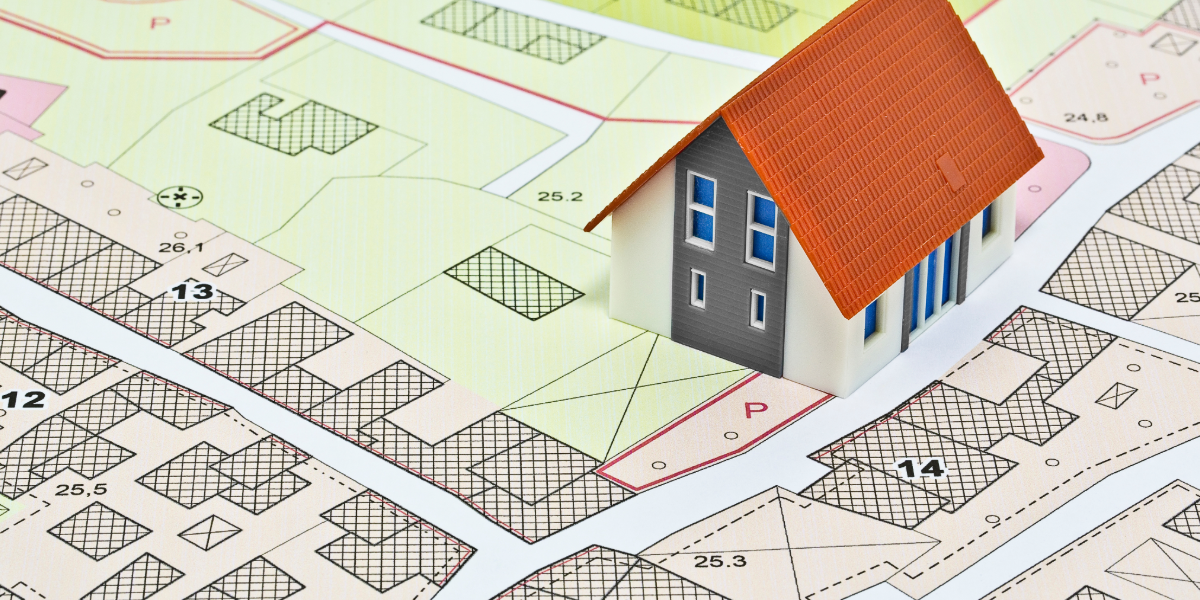
Every property in Seattle sits within a defined zone. You can look up any address on the Seattle zoning maps through the SDCI's interactive GIS tool, which layers zoning districts, overlay zones, environmentally critical areas, and permit history over a searchable map. Before making any real estate decision that depends on what can be built, checking the current zoning map is an essential first step.
The main zoning districts in Seattle
Seattle's zoning districts fall into a few broad categories, each with its own permitted uses, height limits, setbacks, and lot coverage rules.
Neighborhood residential zones
What was previously called single-family zoning in Seattle has been rebranded as Neighborhood Residential (NR). This name change reflected a genuine policy shift. Single-family zoning in its strictest form, where only one detached house was allowed per lot, has been loosening steadily. Today, most NR lots allow accessory dwelling units in addition to the primary home, and new state law requirements are pushing the zoning code toward allowing even more units per lot in the near future.
Single-family homes remain the dominant building type in these zones, but the rules around what can coexist with them have expanded considerably.
Lowrise zones
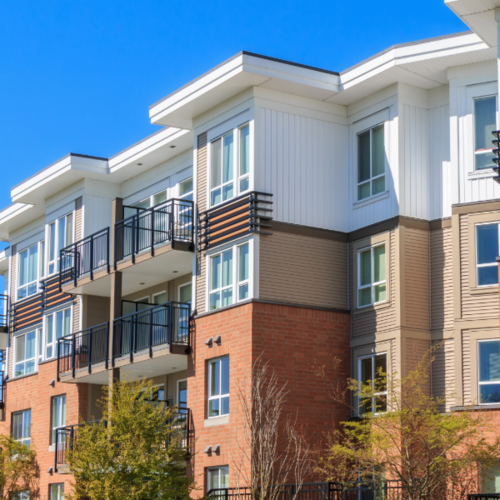
Lowrise zones, designated LR1, LR2, and LR3, are the transition layer between quiet residential streets and more intense commercial corridors. These are the zoning districts where much of Seattle's townhouse and small multifamily development happens.
LR1 typically supports rowhouses, duplexes, and cottage housing clusters. LR2 allows somewhat more height and density, commonly used for modern townhouses. LR3 is the most permissive of the lowrise zones, accommodating small apartment buildings and stacked flat configurations.
In all lowrise zones, the zoning regulations include design standards around modulation and facade articulation, meaning buildings cannot present as flat, featureless boxes along the street.
Midrise, highrise, and commercial zones
Midrise and highrise zones allow for significantly taller and denser development and are concentrated in Seattle's urban centers and urban villages. Neighborhood Commercial (NC) zones support ground-floor retail with residential above and require active street frontage that engages pedestrians rather than presenting blank walls or parking structures.
Seattle Mixed (SM) zones, used heavily in South Lake Union and adjacent areas, allow the broadest range of uses, including residential, office, lab, and retail in the same building. Downtown zones support the city's highest-density development with specific requirements around wind, shadow, and pedestrian amenities.
Industrial zones, common in areas like Ballard, Interbay, and SODO, generally prohibit residential development to protect maritime and manufacturing businesses from being priced out by higher-value uses.
Single-family zoning and middle housing: what is changing
The most significant shift in Seattle's zoning landscape over the past several years has been the gradual dismantling of exclusionary single-family zoning. This is happening at both the local and state level.
Washington state passed House Bill 1110, the middle housing bill, which requires cities above certain population thresholds to allow duplexes, and in some cases up to six units, on lots that were previously restricted to single-family homes. Seattle, as the state's largest city, is required to implement these changes, and the City of Seattle has been updating its zoning code and comprehensive plan accordingly.
For property owners and housing developers, this means that lots in Neighborhood Residential zones that previously supported one or two units are increasingly being evaluated for three, four, or more units, particularly on larger lot sizes or in locations near light rail stations and frequent transit corridors.
Transit-oriented development has become a central principle in Seattle's planning approach. Areas within walking distance of light rail stations are being upzoned to encourage density where infrastructure already exists to support it. The planning commission and city council have been active in advancing these amendments, though implementation timelines and specific lot-level outcomes continue to evolve.
ADU and DADU rules: what homeowners can build today
For homeowners who are not large-scale housing developers, accessory dwelling units remain one of the most accessible ways to add density and value to an existing property.
Seattle has some of the most permissive ADU zoning laws in the country. On most Neighborhood Residential lots, property owners can currently build both an attached ADU and a detached ADU, known as a DADU or backyard cottage. This means a single-family lot can legally support three households: the main home, an attached ADU in the basement or garage, and a detached DADU in the backyard.
Key things homeowners should know about Seattle's current ADU rules:
- The owner-occupancy requirement was eliminated in 2019. You do not need to live on-site to rent an ADU or DADU
- Off-street parking is not required for ADUs in most cases
- DADUs can be up to 1,000 square feet and are subject to height limits, setbacks from property lines, and lot coverage maximums
- Minimum lot sizes for DADUs have been largely removed in residential zones, though lot coverage limits still apply
As the middle housing bill continues to reshape what is allowed in residential zones citywide, these rules may expand further. Property owners considering an ADU build should verify current requirements through SDCI before finalizing plans.
Mandatory Housing Affordability: what developers need to know
Seattle's Mandatory Housing Affordability (MHA) program ties increased development capacity to a contribution toward affordable housing. Most zones that received a height increase or density bonus through the 2019 citywide rezones are subject to MHA requirements.
When a project falls within an MHA-designated zone, the developer has two options:
- Performance path: Set aside a percentage of units, typically between 5% and 11%, as income-restricted affordable housing for a 75-year period
- Payment path: Pay a per-square-foot fee to the City of Seattle's Office of Housing, which directs the funds to nonprofit affordable housing providers and other affordable housing projects citywide
Most private housing developers choose the payment path to simplify operations, but the fees can be substantial on larger projects, often running into hundreds of thousands of dollars or more. MHA fees are calculated based on the zone tier and neighborhood, and they are adjusted periodically. Running these numbers early in the pro forma is essential.
On the Seattle zoning maps, MHA-designated areas are identified with an "(M)", "(M1)", or "(M2)" suffix after the zone designation. An NC3-55 (M1) label, for example, tells you both the zone type and which MHA fee tier applies.
Key development standards: FAR, setbacks, and lot coverage
Beyond the base zone designation, several specific zoning regulations shape what can actually be built on a parcel.
Floor Area Ratio (FAR) sets the maximum total square footage of a building relative to the lot size. A 5,000-square-foot lot with an FAR of 2.0 allows up to 10,000 square feet of building. Certain uses like underground parking may be exempt from FAR calculations, which can allow for larger structures than the base math suggests.
Setbacks define how far structures must be positioned from property lines. In residential zones, setbacks preserve light, privacy, and separation between buildings. In some commercial zones, zero-lot-line development is permitted, placing the building directly at the sidewalk edge. Setback requirements vary by zone and sometimes by the specific context of the parcel.
Lot coverage limits the percentage of a lot that can be covered by structures. In most residential zones, this sits around 35%, though specific lot sizes and zone types affect the calculation. Lot coverage rules directly affect how large a DADU can be on a given property.
Height limits are strictly enforced across all zoning districts. Exceeding a height limit by even a small margin can result in a stop-work order and required redesign.
Environmentally critical areas and tree protections
Seattle's topography creates real constraints on development that the zoning code alone does not fully capture. Environmentally critical areas (ECAs) include steep slopes, wetlands, riparian corridors, and landslide-prone areas. Properties with ECA designations face additional review requirements and may have significantly reduced buildable areas.
Seattle's tree protection ordinance adds another layer. Properties containing "exceptional trees," typically defined by size, species, and condition, face restrictions on removal and may require building designs to work around the tree's root zone. For property owners and developers, identifying ECA overlays and protected trees early in the feasibility process is essential.
Both ECA designations and tree protections are visible as overlay layers on the SDCI zoning map.
Permitting: MUPs, building permits, and design review
Most residential and small commercial projects in Seattle require a building permit through the Seattle Department of Construction and Inspections. Larger projects or those requesting a variance from standard zoning requirements typically need a Master Use Permit (use permit) first.
Design review is triggered when projects exceed certain size thresholds. This process involves presenting the project to a board of local architects and community members and can add six to twelve months to the overall timeline. Designing under the design review threshold is a deliberate strategy for many housing developers who want to move faster.
For complex projects, a pre-submittal conference with SDCI allows property owners and developers to get early feedback from planners across zoning, transportation, and utilities before committing to full architectural drawings. SDCI also offers coaching sessions, typically short virtual appointments, where a land use planner can answer specific questions about a parcel.
How a real estate agent can help you navigate zoning
For buyers and sellers, zoning affects property value, development potential, and what can change about a neighborhood over time. Understanding whether a property sits in a zone that allows multifamily development, ADUs, or transit-oriented density is a meaningful part of evaluating any purchase in Seattle's real estate market.
Working with an experienced local real estate agent who understands Seattle's land use environment can help you ask the right questions before committing to a purchase. The team at Every Door Real Estate works with property owners, buyers, and sellers across Seattle and King County and is familiar with how zoning regulations affect both current use and future potential. If you are trying to understand what a specific property allows, reaching out is a good starting point.
Key takeaways
- Seattle's zoning laws are defined in Title 23 of the Seattle Municipal Code and are actively being amended to allow greater density across the city
- Single-family zoning has been rebranded as Neighborhood Residential, and Washington state's middle housing law is requiring Seattle to allow more units per lot in most residential zones
- Lowrise zones support townhouses, duplexes, and small multifamily buildings. Midrise, highrise, and commercial zones allow greater density near urban centers and transit corridors
- Seattle's ADU and DADU rules allow most homeowners to build up to two additional units on a single NR lot without an owner-occupancy requirement
- The Mandatory Housing Affordability program requires affordable housing contributions from projects in upzoned areas, either through on-site units or a payment-in-lieu fee
- Setbacks, FAR, lot coverage, and height limits vary by zoning district and shape what can actually be built on any given parcel
- ECA overlays and tree protections can significantly restrict buildable area and must be evaluated early in any development feasibility process
Frequently asked questions
Where can I look up the zoning for a specific property in Seattle? The SDCI maintains an interactive GIS tool available through the seattle.gov website that shows zoning districts, overlay zones, ECA designations, and permit history for any parcel. It is the authoritative source for current zoning information.
What is the difference between a use permit and a building permit? A Master Use Permit (use permit) confirms that the proposed type of development is allowed on a specific parcel under the current zoning rules, often required for larger or more complex projects. A building permit covers the technical construction details. Most straightforward residential projects only require a building permit.
Does Seattle's middle housing law apply to my property? House Bill 1110 requires Seattle to allow middle housing, including duplexes and in some cases up to six units, on lots previously limited to single-family homes. The specific application depends on your zone designation, lot size, and proximity to transit. Checking with SDCI or a qualified land use professional is the best way to confirm what applies to your parcel.
What is Mandatory Housing Affordability and does it affect small projects? MHA applies to projects in zones that received a density increase through the 2019 citywide rezone. Smaller projects below certain thresholds may be exempt, but most new multifamily development in MHA zones will trigger either the performance or payment requirement. The SDCI zoning map shows which zones carry MHA designations.
Check out this article next