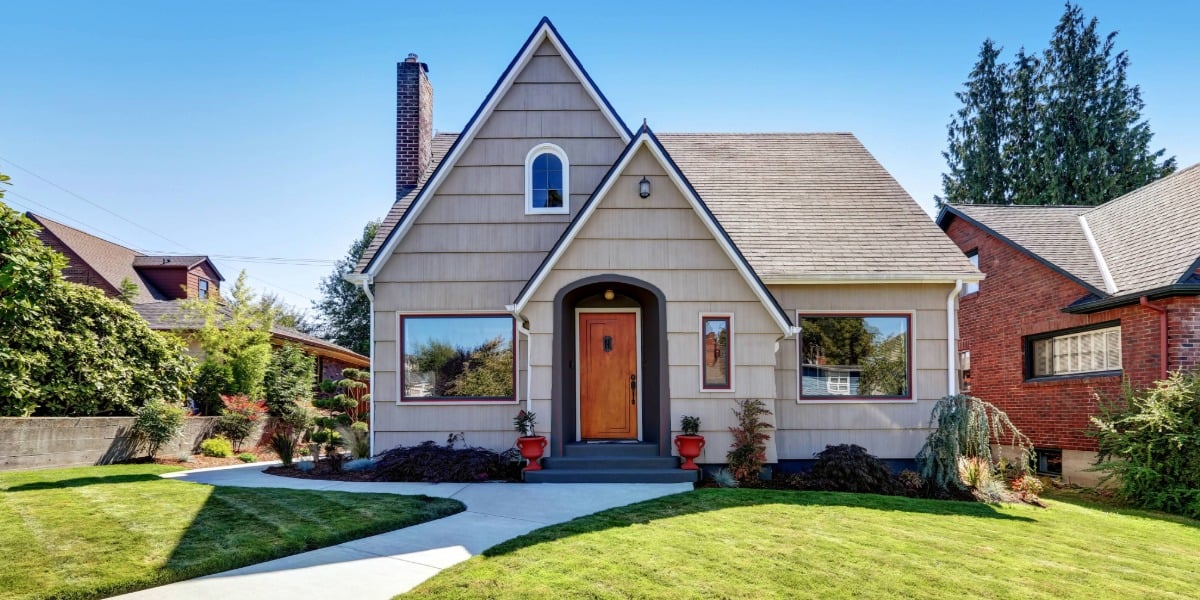
If you want to sell your house fast in Seattle, the answer comes down to three things you control: accurate pricing, strong presentation, and choosing the right kind of offer. Homes that are priced to comparable sales, cleaned and lightly staged, and marketed with professional photography tend to move quickly here. Sellers who need to move even faster can request a cash offer and close in roughly a week instead of a month.
Speed does not have to cost you money. Plenty of Seattle home sellers assume a fast sale means a discounted one, but in a market with limited inventory and steady buyer demand, the opposite is often true. A well prepared home that hits the market correctly on day one is usually the one that attracts multiple offers.
This guide walks through what actually shortens your timeline, from pre-sale prep to closing costs, so you can decide between a traditional listing and a cash sale with clear eyes.
What makes the Seattle housing market different
The Seattle real estate market runs on its own rhythm. Tech employment, tight housing supply, and dense, walkable neighborhoods mean that well priced homes often see serious interest within days of listing. Buyers here are also informed and selective. They compare listings across Zillow, Redfin, and the MLS before they ever schedule a showing.
What that means for home sellers is simple. Presentation and pricing carry more weight than they might in a slower market. Seattle home buyers expect move-in ready condition, honest photos, and a price that lines up with recent comparable sales in the neighborhood.
Geography matters too. The Puget Sound region is not one market but dozens of small ones, each with its own buyer profile and price expectations.
Current market conditions and what they mean for sellers
Conditions shift, so it helps to think in terms of signals rather than predictions. The two numbers worth watching are average days on market and the ratio of sale price to asking price in your specific area. When homes are closing at or above list and days on market are low, sellers typically have leverage on price and terms. When inventory builds and homes sit longer, buyers tend to negotiate harder on repairs and contingencies.
Interest rates influence how many home buyers are actively shopping, and they move often enough that any specific figure would be out of date quickly. Rather than trying to time the market, most sellers do better by focusing on what they can control.
A local real estate agent tracking weekly data across King and Snohomish counties can tell you which of these conditions you are actually selling into. That read is often the difference between an offer the first weekend and a listing that quietly goes stale.
How your neighborhood affects days on market
Sale speed in Seattle varies a lot by ZIP code. Homes in Ballard, Fremont, and Capitol Hill often move faster because they attract younger home buyers who value walkability and transit. Homes in Tacoma or Everett may take a bit longer, though they often deliver stronger relative affordability, which brings its own pool of motivated buyers.
Bellevue and the Eastside behave differently again, with more demand from relocating buyers and a higher share of cash offers.
A comparative market analysis, or CMA, is how you turn these differences into a number. Your real estate agent should build one using recent comparable sales, current active competition, and seasonal patterns in your immediate area. That is your realistic market value, not a Zillow estimate.
For a broader look at how local demand shapes timing, our post on Seattle's rent versus buy dynamics is a useful companion read.
Pre-sale preparation that shortens your timeline
Preparation is the least glamorous part of the selling process and the most reliable. A few focused steps tend to pay for themselves.
- Declutter and depersonalize. Remove family photos, clear counters, and thin out furniture so rooms read as larger and easier to imagine living in.
- Handle small repairs. Sticking doors, chipped paint, a running toilet, and burned out bulbs all signal deferred maintenance to buyers, even when the house is sound.
- Deep clean everything. This includes windows, baseboards, and the inside of the oven. Buyers notice.
- Improve curb appeal. Fresh mulch, trimmed shrubs, a pressure washed walkway, and a clean front door do a lot of work before anyone steps inside.
- Stage the main rooms. Staging is not decoration. It is a way of showing how a space functions.
Staging and professional cleaning are consistently linked to shorter days on market and stronger offers. Vacant homes in particular tend to benefit, because empty rooms often read as smaller and colder than furnished ones.
Not every seller has the time or cash on hand for this work up front. Every Door Real Estate's Turnkey Services covers renovations, repairs, and staging before listing, with costs handled at closing. It is entirely optional, but it removes a common bottleneck for sellers who want to move quickly.
If you are weighing which upgrades are worth doing, our guide to the 10 top renovations that raise your home's sale price breaks down where the return usually shows up.
Pricing your home for speed and value
Pricing is the single biggest lever on how fast you sell. Get it right and the market comes to you. Get it wrong and you spend weeks chasing it downward, which almost always costs more than pricing correctly would have.
Your pricing strategy should start with the CMA and account for what buyers can see. Seattle home buyers compare listings side by side, so a home priced meaningfully above its comparable sales invites the obvious question of why. Homes that sit tend to attract lowball offers, because buyers read time on market as motivation.
Pricing slightly below recent comps can create competition and produce multiple offers, which sometimes pushes the final number above where a higher list price would have landed. It is a real strategy, but it is not automatic. It works best in neighborhoods with strong buyer traffic and thin inventory, and it can leave home equity on the table if demand in your area is softer.
Higher priced properties follow different rules. If that describes your situation, our guide to selling a luxury home in Seattle covers pricing at the top of the market in more depth.
Marketing that reaches serious home buyers
Your listing photos are your first showing. In most cases a buyer decides whether to visit based entirely on a phone screen, which makes professional photography non-negotiable rather than a nice extra. Add a 3D walkthrough if you can, especially since a meaningful share of Seattle home buyers are relocating from out of state and shop remotely.
The listing description should do more than list square footage. Lead with what makes the home livable: the light, the layout, the school district, the ten minute walk to the coffee shop. Terms like move-in ready, as-is, or ready for a quick closing help the right buyers self-select.
Syndication matters as well. Your listing should appear on the MLS, Zillow, Redfin, and Realtor.com, and it should be shared through social channels where local buyers actually spend time.
An early open house remains one of the most efficient tools available. It concentrates interest into a single window, creates a sense of competition, and gives you fast feedback on whether your price is landing.
Comparing offers beyond the asking price
The highest number is not always the best offer. When you are optimizing for speed, look at the terms just as closely as the price.
- Financing type. Cash buyers do not need lender approval, so the deal cannot fall apart over an appraisal or underwriting.
- Contingencies. Financing, home inspection, appraisal, and sale-of-home contingencies each add risk and time.
- Closing date flexibility. An offer that matches your move-out timeline is worth real money.
- Earnest money. A larger deposit signals a buyer who is serious.
A financed offer with four contingencies and a 40 day timeline may be worth less to you than a slightly lower cash offer that closes in ten days with no inspection contingency. Run the comparison honestly.
What a cash offer actually looks like
Cash offers come from a few different places, and they are not all the same. Companies like Opendoor make all-cash offers that are fast and convenient, but they typically price below what the open market would pay, and service fees can narrow the gap further.
The tradeoff can still be worth it. If you are managing an inherited property from out of state, facing foreclosure, or selling a home that needs repairs you have no interest in making, a hassle-free sale in seven to fourteen days has genuine value. Selling as-is means no renovations, no staging, and no strangers walking through your kitchen on a Sunday.
The right move is usually to compare rather than assume. Every Door's instant cash offer connects you with verified cash home buyers who make no-obligation offers, so you can see the cash number and the likely traditional listing number side by side before you commit to either path.
Closing costs and timelines in Washington
In Washington, sellers typically pay for title insurance and split escrow fees with the buyer, along with the real estate excise tax and any agreed agent compensation. Your exact costs depend on the county and the terms you negotiate, so treat any estimate as a range rather than a fixed figure.
Timelines follow the financing. A conventional financed sale in the Seattle area commonly takes somewhere in the range of 20 to 35 days from accepted offer to closing, driven largely by the lender's underwriting and appraisal schedule. A cash sale removes both steps and can close in as little as a week.
Read the settlement statement line by line before signing, and ask your real estate agent to explain anything that looks unfamiliar. For questions about tax consequences, particularly with an inherited property or an investment sale, talk to a CPA or attorney.
How a local real estate agent speeds things up
A good agent compresses the timeline at every stage: pricing the home to the right comparable sales, coordinating prep work, marketing it to the right home buyers, and managing the negotiation so a deal does not stall over a small repair request.
When you interview agents, ask questions that map to your situation:
- How many homes have you sold in my specific neighborhood in the last year?
- What are your average days on market and sale-to-list ratio?
- Have you handled foreclosure, probate, or inherited property sales before?
- Can you show me both a cash offer and a listing scenario so I can compare?
Sellers weighing a fast sale against maximum price rarely have to choose blindly. The team at Every Door Real Estate works both paths, traditional listings and verified cash offers, and can lay out the numbers for each so the decision is yours to make.
Key takeaways
- Pricing to real comparable sales is the fastest lever you have. Overpricing costs time, and time costs money.
- Preparation works. Cleaning, small repairs, curb appeal, and staging consistently shorten days on market.
- Photos are the first showing. Professional photography is a requirement, not an upgrade.
- Evaluate offers on terms, not just the asking price. Contingencies and financing type determine whether a deal actually closes.
- A cash offer trades some price for speed and certainty. That trade makes sense for some sellers and not others, which is why comparing both options first is worth the hour it takes.
You can start with a free home valuation to see where your property stands in today's market, then decide from there.

Frequently asked questions
How fast can I actually sell a house in Seattle? A cash sale can close in about seven to fourteen days. A traditional listing typically takes longer, often a few weeks on market plus 20 to 35 days to close, though well prepared homes in high demand neighborhoods frequently go under contract in the first week.
Do I need to make repairs before selling? Not necessarily. Selling as-is is a legitimate option, especially with cash buyers. Just understand that buyers price in the work they expect to do, so skipping repairs usually shows up in the offer.
Is a cash offer always lower than market value? Often, though not always, and the gap varies by buyer and by property. The relevant comparison is the cash offer against your likely net proceeds from a traditional listing after prep costs, agent compensation, closing costs, and carrying costs during the time on market.
Check out this article next