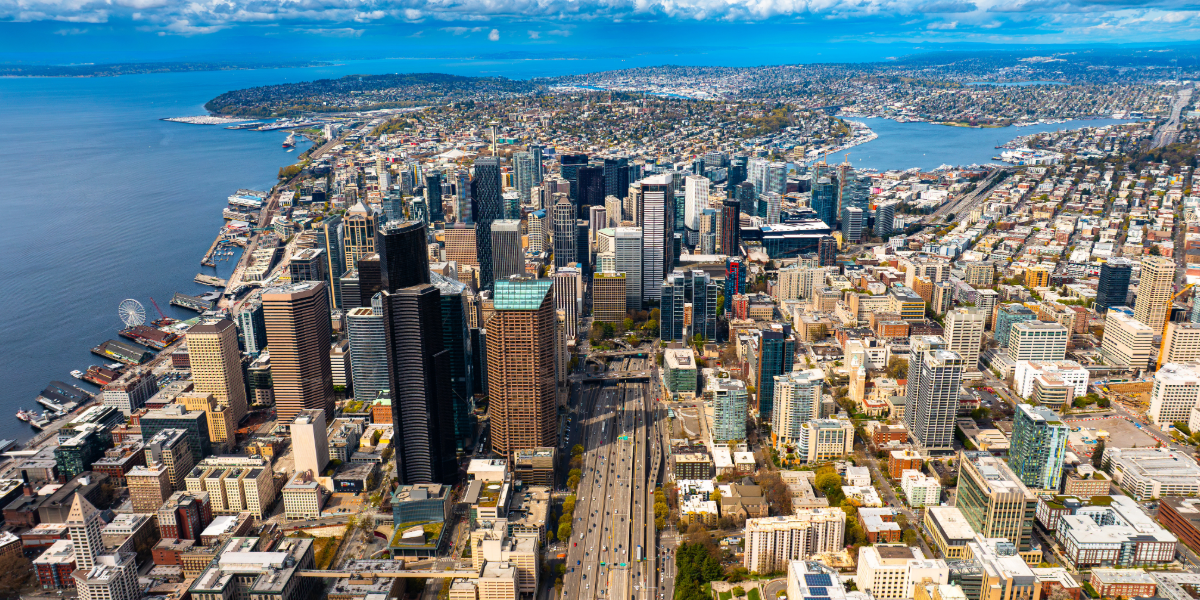
Seattle's housing market remains one of the strongest in the Pacific Northwest, offering everything from walkable urban cores to quiet, family-friendly streets and waterfront views. But the city is intensely local. Prices, pace, and character can shift from one neighborhood to the next, and the right choice depends as much on your daily life as on your budget.
This guide highlights ten Seattle neighborhoods worth considering if you are planning to buy a home in 2026, with a current read on prices, lifestyle, and what makes each area distinct. One theme runs through all of them: the market has cooled from its pandemic peak into something more deliberate, with rising inventory and buyers who take their time. That is good news if you are shopping, and a reminder that pricing and preparation matter more than they did a few years ago.
Because Seattle values move block by block, a single citywide number rarely tells you much. Working with a local real estate agent who knows these micro-markets is often the difference between overpaying and finding real value.
How we chose these neighborhoods
We looked at the things that actually shape day-to-day life and long-term value, not price alone:
- Walkability and transit, including proximity to Link light rail, protected bike lanes, and frequent bus service
- Housing variety, meaning a real mix of single family homes, townhomes, and condos across budgets
- Home values and price stability, using current market data as a directional guide rather than a guarantee
- Everyday amenities, from coffee shops and parks to schools and grocery stores
- Community and culture, the personality that makes a place feel like home
- Future growth, including light rail expansion and zoning changes that may influence demand
A note on the prices below. Every figure is an approximate, recent range drawn from public sources like Redfin and Zillow, and real estate data swings month to month with the mix of what sold. Treat these as a starting point, not an appraisal. Neighborhood medians also blend condos and single family homes, so the detached-house number is usually higher than the overall figure.
1. Ballard: maritime charm meets modern living
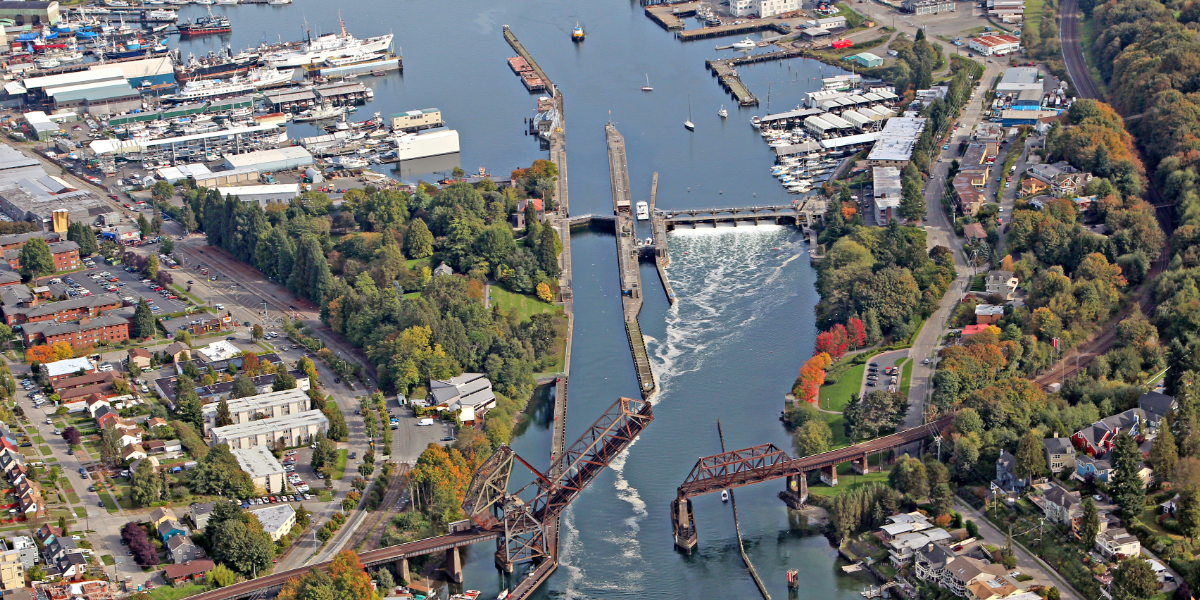
Ballard blends Seattle's fishing heritage with a walkable, brewery-dotted present. Once a Scandinavian fishing community, it still honors those roots through waterfront restaurants, the Ballard Locks, and festivals like Syttende Mai. Northwest of downtown, it is one of the city's most walkable neighborhoods, running from boutique shopping to Golden Gardens at sunset.
The housing stock is a mix of Craftsman homes, modern condos, and townhomes, which draws everyone from young professionals to families. The year-round Sunday farmers market is a local institution, and breweries like Reuben's and Stoup anchor the social scene.
Recent data puts the overall Ballard median in the mid-to-high $800,000s, with single family homes generally running higher and condos offering a more accessible entry point. Well-prepared homes near transit still move quickly.
2. Queen Anne: classic elegance with panoramic views
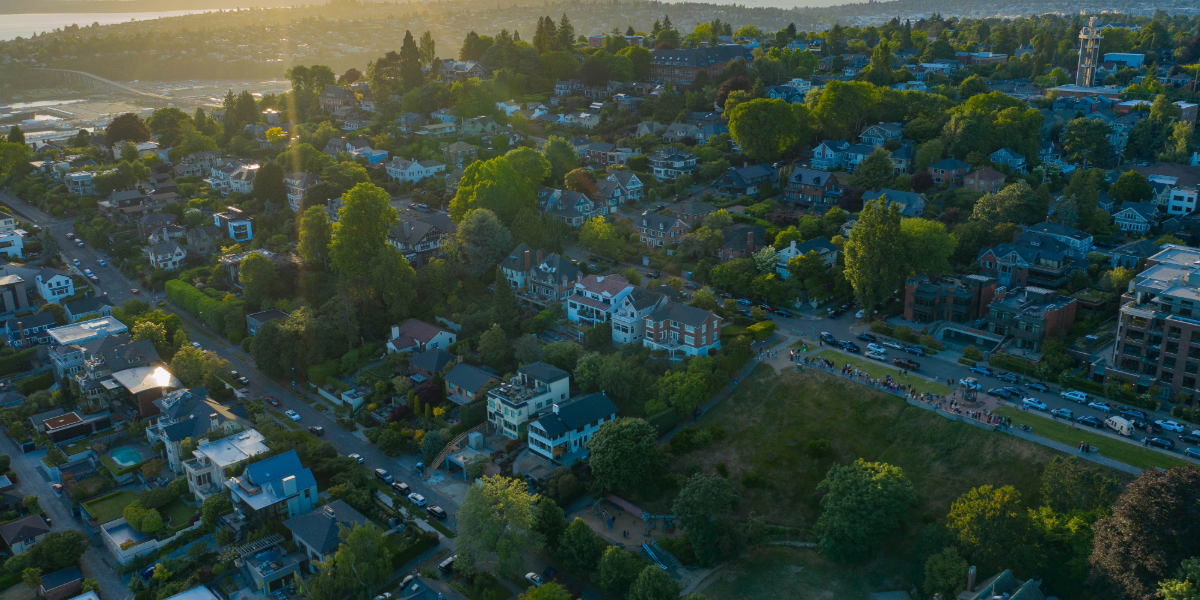
Perched above downtown, Queen Anne delivers postcard views of the skyline, Elliott Bay, and Mount Rainier. It is one of Seattle's most established neighborhoods, mixing historic homes with newer condos and townhomes. Easy access to South Lake Union and downtown makes it a favorite for professionals who want proximity without the noise.
Upper Queen Anne feels residential and calm, with local favorites like Macrina Bakery and the Queen Anne Book Company. Lower Queen Anne carries more urban energy near the theaters and restaurants of Seattle Center.
This is one of the pricier neighborhoods on the list. Recent overall medians have hovered around $1 million, with detached single family homes commonly listing well above that. Demand stays strongest for updated homes with private outdoor space.
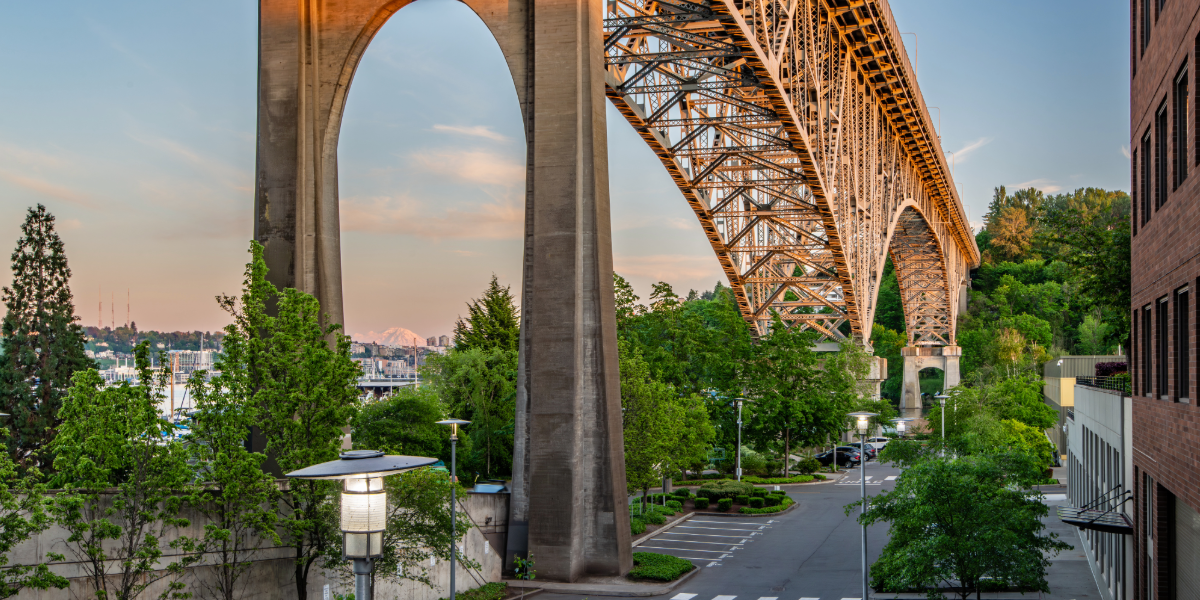
3. Fremont and Phinney Ridge: eclectic character and community
Just north of the Fremont Cut, this pocket pairs creativity with community. Fremont is famously offbeat, home to public art, vintage shops, and a Sunday market, and locals still call it the Center of the Universe. A few blocks up, Phinney Ridge offers quieter, tree-lined streets and views toward Green Lake and Puget Sound.
Housing ranges from early-1900s Craftsman homes to newer townhomes and mid-rise condos, much of it within reach of Green Lake and Woodland Park Zoo. The Fremont Solstice Parade and a strong neighborhood association give the area a real sense of identity.
Fremont's overall median has recently sat around the $900,000s, with larger single family homes trending higher. It remains one of the city's most consistently in-demand walkable neighborhoods.
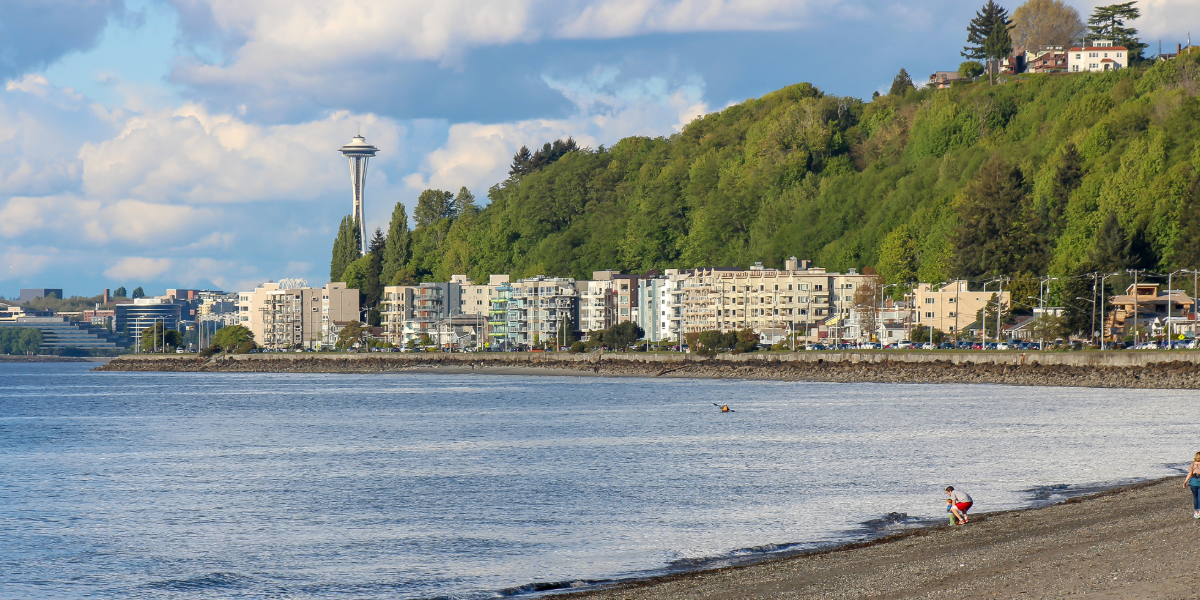
4. West Seattle: coastal living with urban access
West Seattle offers peaceful, water-oriented living with a straightforward path downtown. Alki Beach draws locals year-round for walks, kayaking, and skyline views across Elliott Bay, while neighborhoods like Admiral, the Alaska Junction, and Morgan Junction each bring their own feel.
Buyers find mid-century bungalows, Craftsman homes, and newer construction, many with Sound or Olympic Mountain views. Lincoln Park and Schmitz Preserve, plus the RapidRide C Line and a planned light rail extension, add to the family-friendly appeal.
West Seattle tends to offer relative value compared with central neighborhoods, with a recent overall median in the low-to-mid $800,000s. For a deeper look, see our full West Seattle market guide, and you can browse current West Seattle homes for sale.
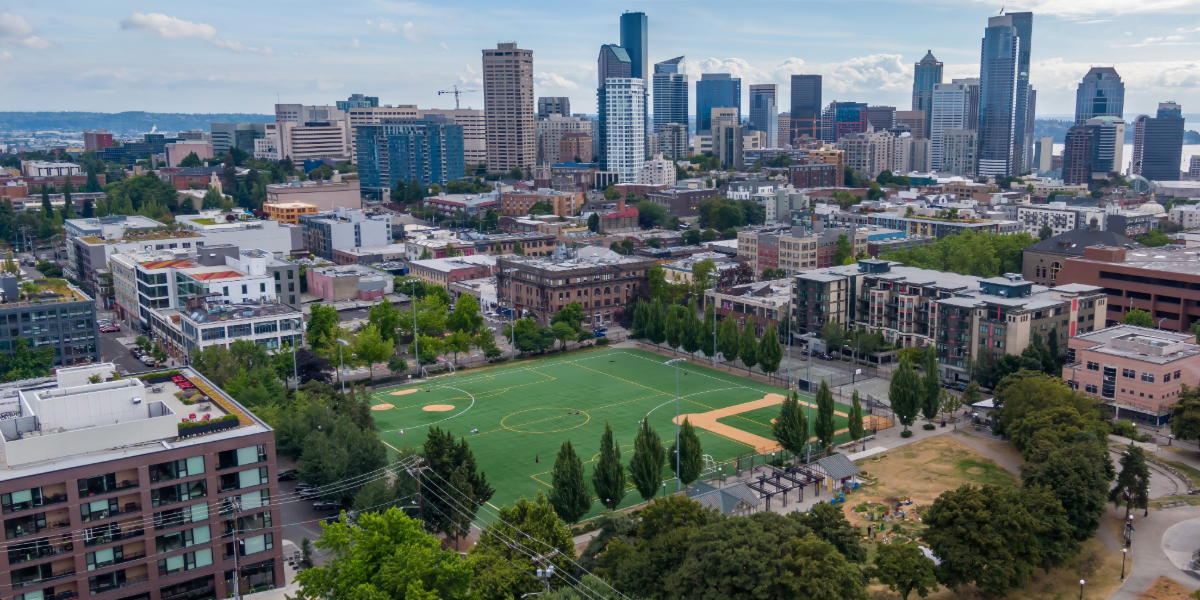
5. Capitol Hill: vibrant, walkable, always buzzing
Capitol Hill is Seattle's cultural hub, energetic and dense, with nearly everything within a few blocks. Just east of downtown, it is among the most walkable neighborhoods in the city, and the Capitol Hill light rail station connects directly to downtown, South Lake Union, and the University of Washington, making car-free living genuinely practical.
The housing mix leans heavily toward condos, alongside early-1900s homes and modern townhomes. Volunteer Park and Cal Anderson offer green space, while the Pike/Pine corridor supplies the restaurants and nightlife.
Because condos dominate sales here, the overall median lands lower than you might expect, recently in the high $700,000s to low $800,000s, while detached single family homes typically run from roughly $1.1 million to $1.5 million. The One Seattle rezoning process specifically targets Capitol Hill for greater density, which is worth watching for long-term supply.

6. Ravenna and Wedgwood: family-friendly with strong schools
Ravenna and Wedgwood offer a quieter, almost suburban feel inside the city, which makes them favorites for families and long-term owners. Both sit near the Roosevelt and University of Washington light rail stations, keeping downtown within easy reach.
Homes here are mostly single family, from Tudors and mid-century ramblers to modern remodels on generous lots. Ravenna Park anchors the area with trails and playgrounds, and Wedgwood adds neighborhood cafés and a small-town feel.
These north Seattle neighborhoods have held strong on school quality and park access, with recent medians often in the $1 million to $1.1 million range. Well-prepared homes continue to draw steady family demand.

7. Madison Park: lakeside luxury and village charm
Madison Park pairs lakeside calm with quick downtown access. Along the western shore of Lake Washington, it is consistently one of the city's most desirable and expensive neighborhoods, with elegant homes, a walkable village center, and a close-knit feel.
Homes range from classic Craftsman houses to contemporary waterfront estates, some with private docks or panoramic lake and Cascade views. The village hub along East Madison Street offers cafés, boutiques, and a public beach.
This is the high end of the list. Recent overall medians have run well above $1.5 million, and interior single family homes commonly list from the high $1 millions upward, with lakefront properties reaching several million. It remains one of Seattle's most stable luxury markets. If you are exploring this tier, our guide to selling a luxury home in Seattle covers the upper market in more depth.
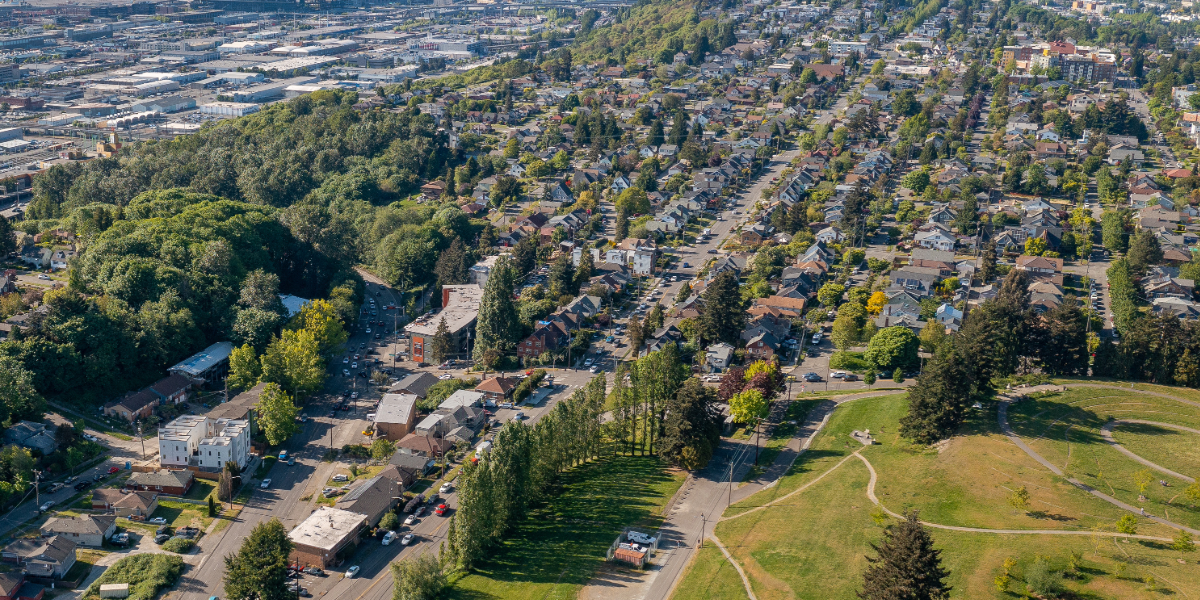
8. Columbia City: historic roots and a resurgent spirit
Columbia City blends historic character with real momentum. In southeast Seattle, it is one of the city's most diverse and walkable neighborhoods, built around a compact, landmarked downtown core. Once a streetcar suburb, it has grown into a lively destination.
Buyers find early-20th-century Craftsman homes, restored bungalows, and newer townhomes and condos. Rainier Avenue South anchors the area with independent cafés, a weekly farmers market, and small businesses, and the light rail station connects quickly to downtown and the airport.
South Seattle, including Columbia City, has been among the city's stronger appreciation stories as buyers follow the light rail line south in search of value. Recent medians have generally sat in the low-to-mid $800,000s, though this range shifts quickly, so confirm current comps before making decisions.
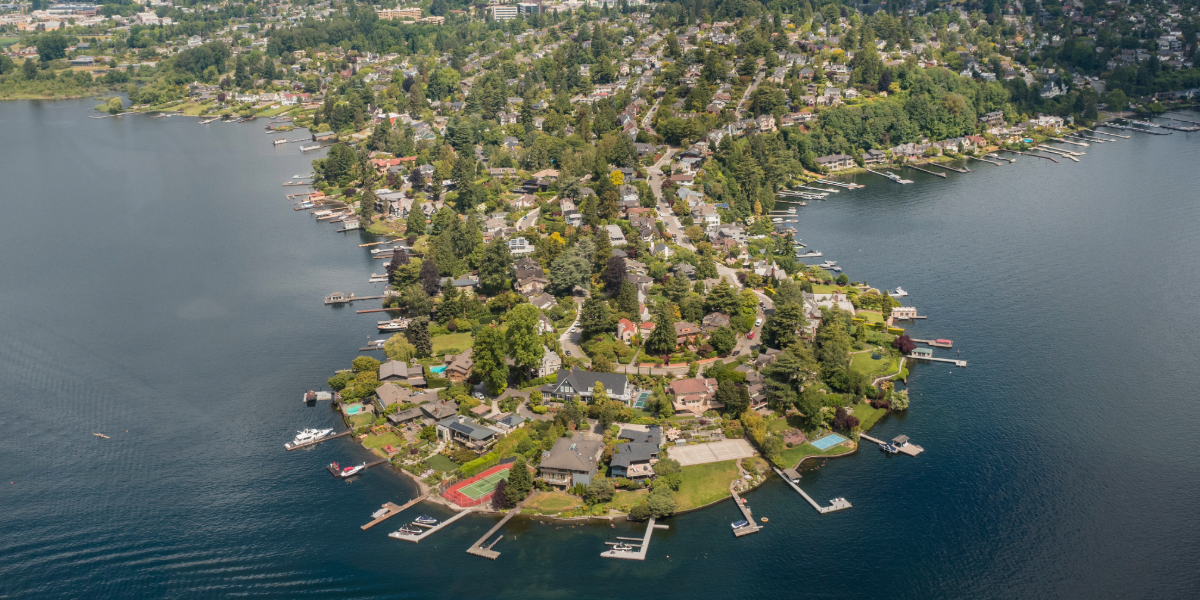
9. Laurelhurst: secluded estates and waterfront serenity
Laurelhurst is one of Seattle's most sought-after addresses, offering privacy, water views, and a calm residential feel near the University of Washington. Elegant homes on tree-lined streets and a strong neighborhood association give it an established, close-knit character.
The housing is defined by spacious single family homes, from mid-century estates to modern remodels, many with lake or mountain views. Residents often have access to the private Laurelhurst Beach Club, and the Burke-Gilman Trail and Magnuson Park sit minutes away.
Like Madison Park, this is a premium market. Single family medians here regularly push past $2 million, supported by top-rated schools and limited inventory. It rewards long-term owners more than bargain hunters.
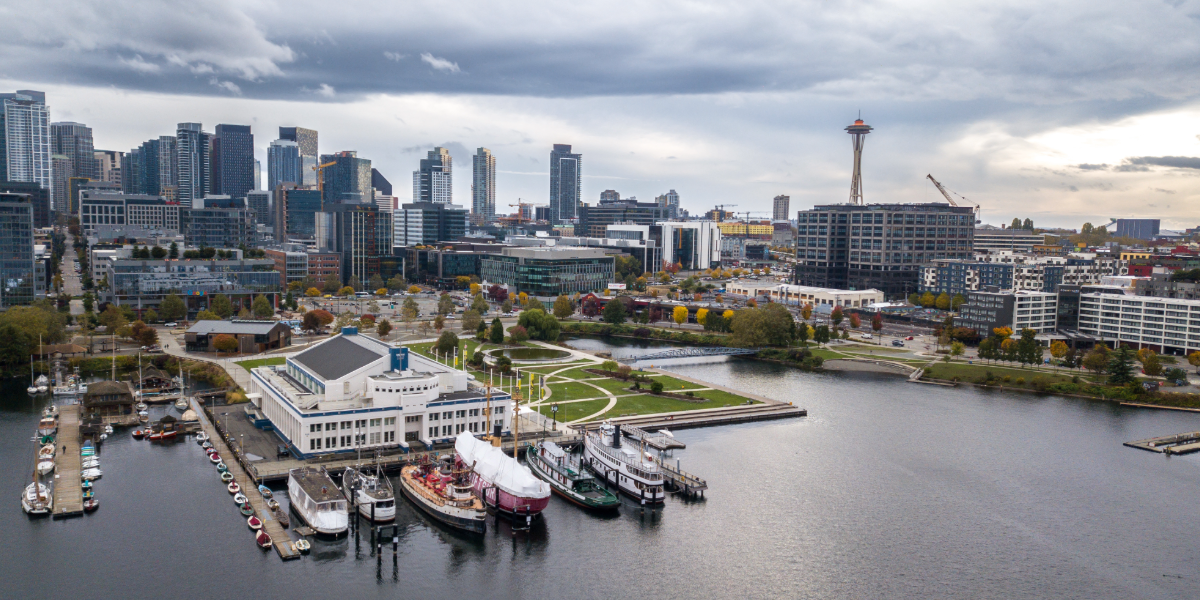
10. South Lake Union: urban core living with tech energy
South Lake Union, or SLU, is one of Seattle's fastest-changing neighborhoods, transformed from an industrial district into a center for technology and urban living. Major employers including Amazon anchor the area, drawing professionals who want to live near work with quick access to the lake, downtown, and Capitol Hill.
The housing is mostly modern condos, luxury apartments, and sleek townhomes, many with rooftop lounges, fitness centers, and city views. True single family homes are rare, but nearby neighborhoods offer more traditional options.
SLU is condo-driven, with recent values often in the high $700,000s to low $800,000s depending on building and views, and lakefront and view units commanding a premium. Streetcar and light rail connections make it one of the most convenient neighborhoods for downtown commuters.
Other things to weigh in your Seattle home search
- Budget and property type. A neighborhood's overall median blends condos and houses. Always compare the specific property type you want, since a Capitol Hill condo and a Capitol Hill house live in different price worlds.
- Commute and transit. Homes within a short walk of a light rail station often carry a noticeable premium, and the network keeps expanding.
- Lifestyle fit. Ballard's community feel and Capitol Hill's cultural energy are genuinely different experiences. Spend time in a neighborhood before committing.
- Future growth. Areas near new stations and zoning changes may see continued demand, though nothing about future values is guaranteed.
If you are still weighing whether to buy at all, our guide on renting versus buying in Seattle walks through when ownership starts to make financial sense.
Common misconceptions about buying in Seattle
"There's one Seattle price." There is not. The gap between the most affordable and most expensive neighborhoods on this list spans well over a million dollars in median price.
"It's still a frenzied seller's market." The market has normalized. Inventory has risen and buyers are more deliberate, though well-priced, move-in-ready homes in strong locations still move fast and sometimes draw multiple offers.
"The Zestimate is my home's value." Automated estimates are directional at best. Seattle values hinge on view, light rail access, condition, and current competing inventory, which a single algorithm cannot fully capture.
"Condos and houses track together." They do not. The condo segment has behaved quite differently from single family homes recently, which is why the property type you choose matters as much as the neighborhood.
How a local real estate agent helps
Seattle rewards local, block-level knowledge more than any citywide average can capture. An experienced real estate agent can compare neighborhoods against your actual budget and daily life, price a home to the specific street rather than the general area, and flag the details that move value, from view corridors to condo HOA health.
When you are ready to start, an Every Door Real Estate agent can help you tour neighborhoods, evaluate home values, and navigate the buying process with local insight. You can contact the team to begin, or explore your own numbers first with a free home valuation.
Key takeaways
- Seattle is hyperlocal. Medians on this list range from the low $800,000s in areas like West Seattle and Columbia City to $2 million and up in Laurelhurst and Madison Park.
- The market has cooled into a more deliberate, negotiation-driven pace, with rising inventory giving buyers more room than in recent years.
- Property type matters as much as neighborhood, since condos and single family homes are priced and behaving very differently.
- Treat every price here as an approximate, recent range. Confirm current comps for the specific home and block before making decisions.
- Transit access, school quality, and zoning changes all shape long-term demand, so weigh lifestyle and future growth alongside price.
Frequently asked questions
What is the most affordable neighborhood on this list? West Seattle and Columbia City tend to offer the most relative value, with recent overall medians in the low-to-mid $800,000s, though prices vary widely by home type and exact location.
Which Seattle neighborhoods are best for families? Ravenna and Wedgwood stand out for school quality, parks, and quiet streets, while West Seattle offers beaches and green space with a strong community feel.
Are Seattle home prices expected to rise in 2026? Most indicators point to modest, steady appreciation rather than sharp movement in either direction, supported by limited long-run supply. Mortgage rates influence affordability, and no forecast is guaranteed.
Which neighborhoods have the best transit? Capitol Hill and Columbia City have direct light rail stations, and Ravenna and Wedgwood sit near Roosevelt and University of Washington stations. West Seattle's own line is planned for the future.
Should I buy a condo or a single family home? It depends on your priorities. Condos suit walkable, lock-and-leave living but carry HOA dues and slower appreciation, while single family homes offer more space and stronger long-term value at a higher entry price.
Check out this article next